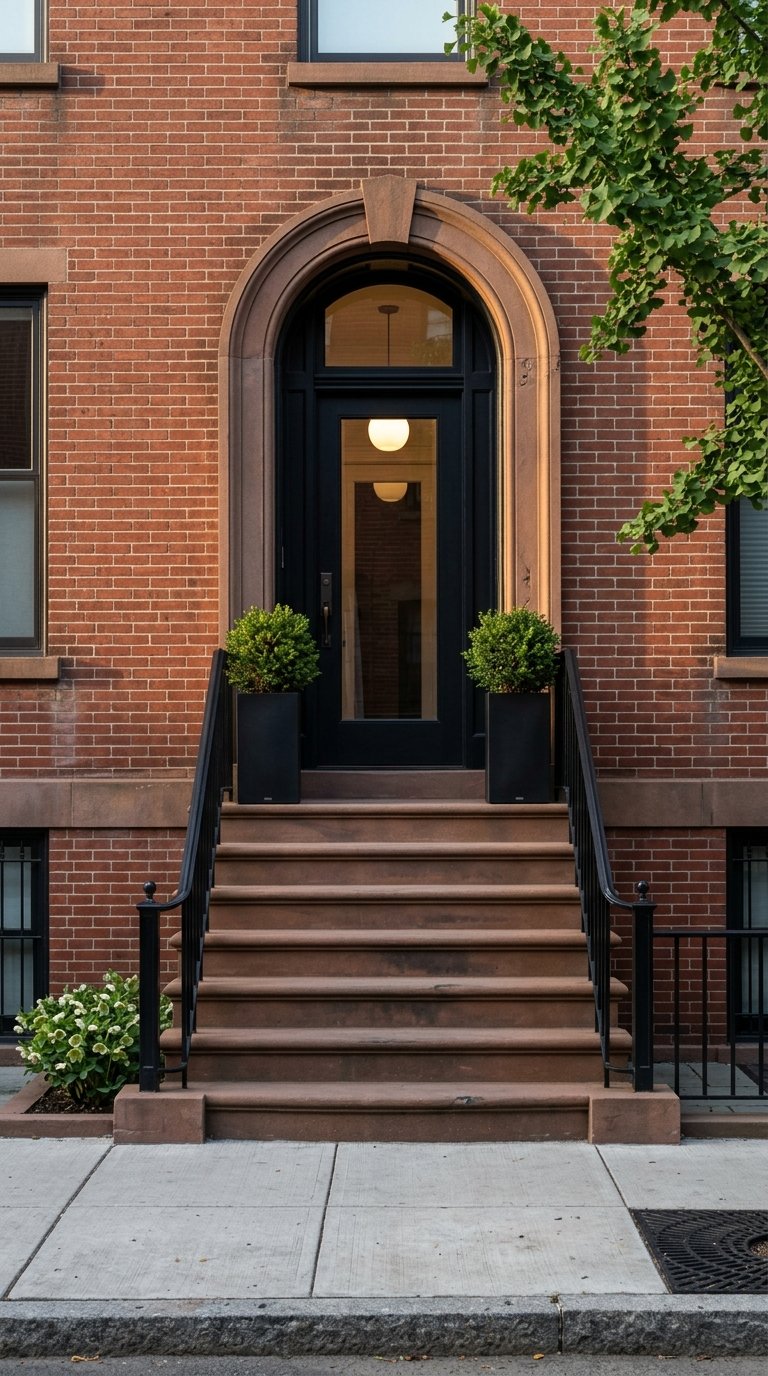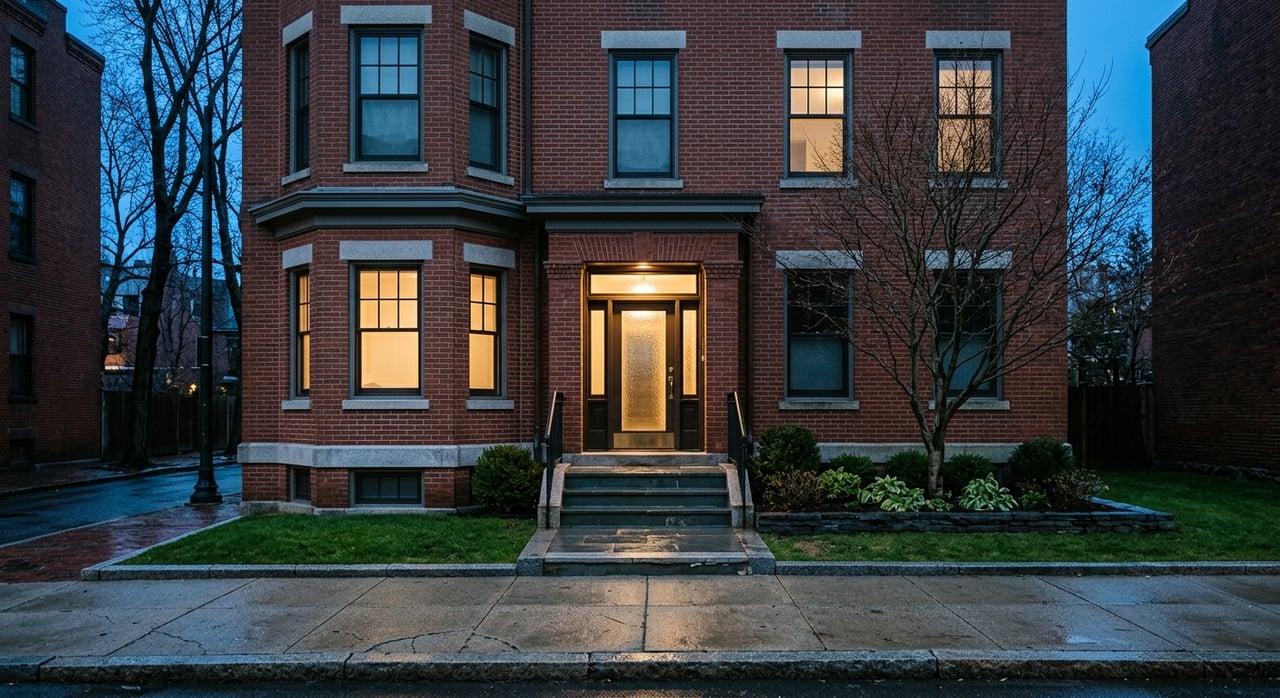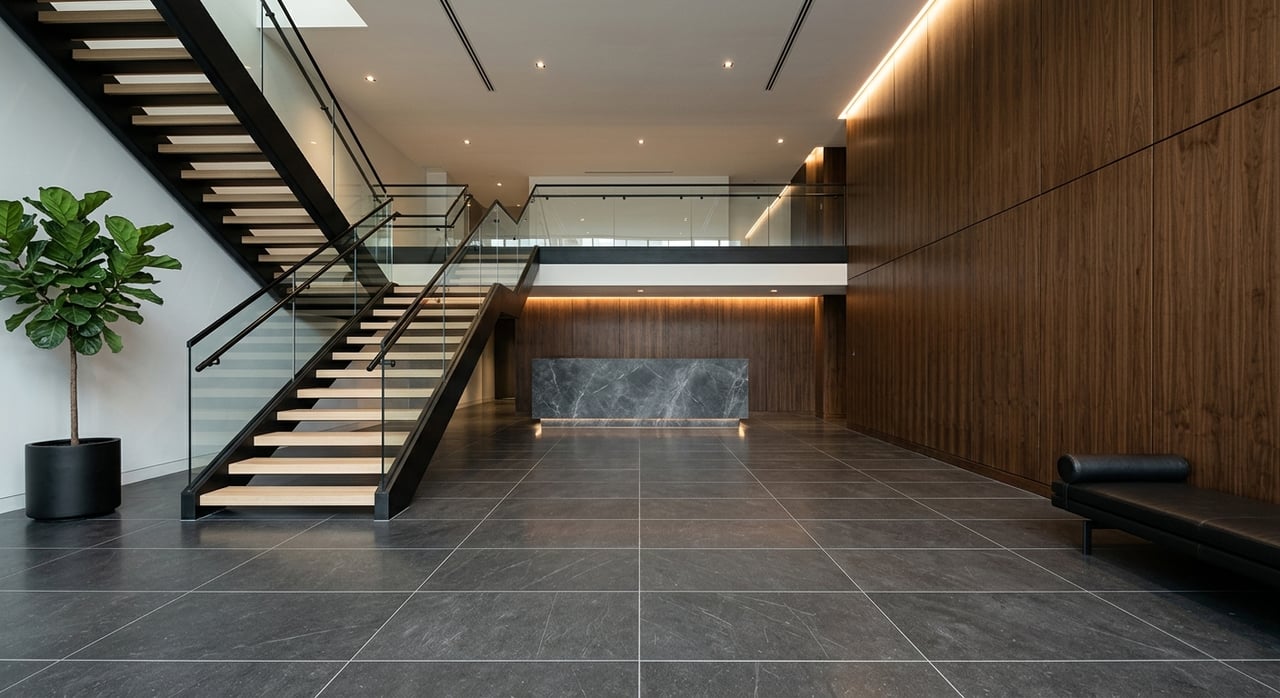
If you have looked at more than a few Seaport condos, you have probably noticed something quickly: buildings that seem similar on a map can feel very different once you dig into the details. In a fast-changing waterfront district like Seaport, the right choice is not just about finishes, views, or a sleek lobby. It is about how the building operates, what your monthly costs really buy, and how well the property fits your lifestyle now and years from now. Let’s dive in.
Why Seaport buildings vary so much
The South Boston Waterfront, often called Seaport or the Innovation District, has changed dramatically over the last decade. Boston planning materials describe the area as a rapidly transforming neighborhood that grew its population by 195% from 2010 to 2020, while housing units grew 327% over the same period.
That growth helps explain why buyers are often comparing very different building types within the same general area. One building may be a newer full-service condo tower, while another may be part of a mixed-use block or a loft-style property in a former warehouse near Fort Point. Those differences can affect fees, rules, upkeep, privacy, and resale potential.
Start with micro-location
When you compare Seaport condo buildings, begin with the exact block, not just the neighborhood name. A building close to the Harborwalk may offer easier waterfront access and different public activity than a building tucked farther inland.
Boston Harbor Now describes the Harborwalk as a near-continuous 43-mile linear park connecting the Seaport with other waterfront neighborhoods. That can be a real quality-of-life benefit, but it can also mean more foot traffic, more event activity, and a different day-to-day feel depending on where your unit faces.
Compare the street experience
Two buildings just a few blocks apart can have very different surroundings. Some sit near restaurants, civic spaces, hotels, or event venues, while others feel more residential in their immediate setting.
Boston planning documents describe the South Boston Waterfront as a district designed to function as a 24-hour neighborhood with residential, commercial, civic, industrial, and retail uses. For you as a buyer, that means it is smart to compare not only the unit itself, but also what surrounds the building from morning to night.
Think beyond today’s view
Views matter in Seaport, but so does what could change around them. Because the district is still evolving, nearby development can affect light, privacy, street traffic, and sight lines over time.
Boston planning project pages show active and planned work continuing throughout the South Boston Waterfront. When you compare buildings, ask what is already built, what is approved nearby, and what may still change on neighboring parcels.
Look closely at access and daily convenience
Location is also about how easily you move through the city. Boston planning pages note that the South Boston Waterfront has access to I-90, the Silver Line, and MBTA buses, with Logan Airport and South Station one Silver Line stop away in each direction.
That may sound like a broad neighborhood advantage, but building placement still matters. A shorter walk to transit, easier rideshare pickup, or smoother highway access can make one building much more practical for your daily routine.
Watch future transit changes
The City is also pursuing a North Station to Seaport multimodal corridor. While future infrastructure plans do not guarantee a specific outcome for any one building, they are worth tracking because they can shape convenience, traffic patterns, and the public realm over time.
For buyers planning to stay for several years, this is an important reminder: compare where the building stands today, but also where it may sit within the next phase of Seaport’s growth.
Compare monthly cost the right way
A lower condo fee does not automatically mean a better value. In Seaport, one building may include more services and stronger staffing, while another may look cheaper at first glance but leave more costs or maintenance risk for later.
Instead of asking only, “What is the monthly common charge?” ask, “What does that number actually cover?” That is the comparison that gives you a more accurate picture of ownership cost.
Review what fees include
Standardize your comparison across buildings. Make a simple list and confirm whether the monthly charge covers things like building staff, amenity maintenance, insurance components, common-area upkeep, parking operations, or other services.
This matters because Seaport buildings can have very different operating profiles even when they present similarly from the street. A newer tower with extensive amenities may carry different long-term costs than a smaller or more lightly serviced building.
Study condo documents and association health
In Massachusetts, condominiums are privately owned and governed through documents such as the master deed, unit deed, bylaws, and Chapter 183A. The Commonwealth states that it does not provide regulatory oversight over condominiums, which means buyers need to review the building’s governing documents and financial picture carefully.
This is one of the biggest reasons Seaport building comparisons should go beyond finishes. A beautiful unit in a poorly managed association may be a weaker long-term fit than a simpler unit in a building with stronger reserves and clearer operations.
Focus on practical association questions
The most useful questions are often very direct:
- How strong is the reserve fund?
- Has the building had recent special assessments?
- Are any new assessments being discussed?
- How is the property managed day to day?
- What insurance and maintenance responsibilities fall to the association?
- Are there capital projects on the horizon?
Massachusetts law requires an adequate replacement reserve fund that is held separately from operating funds. That makes reserve strength a key comparison point when you review Seaport buildings side by side.
Expect legal review to matter
Massachusetts condo transactions commonly involve attorneys, and buyers should expect counsel to review condo documents before relying on them. That is especially important in Seaport, where buildings may differ in governance, mixed-use structure, and restrictions.
A careful document review can help you spot issues that are easy to miss during a showing, including limits on use, owner obligations, or building policies that may affect your plans.
Check rules that affect your lifestyle
Not every building offers the same flexibility. Before you fall in love with a unit, confirm whether the building’s rules match how you plan to live in the space.
This is especially important if you are weighing several Seaport options that otherwise feel comparable. Restrictions can affect your comfort now and your resale options later.
Key rules to compare
Use the same checklist for each building:
- Rental restrictions
- Pet rules
- Smoking rules
- Parking rights or limits
- Storage availability
- EV-charging policies
In Massachusetts, smoking restrictions inside units generally require an amendment to the master deed or bylaws. That means smoking policies may vary by building and should be verified in the governing documents rather than assumed.
Evaluate resilience and flood planning
In a waterfront district, resilience should be part of your building comparison from day one. Boston identifies coastal flooding as a citywide issue driven by sea level rise, seasonal high tides, and storm surge, and notes that low-lying coastal areas become more vulnerable as seas rise.
For the South Boston Waterfront specifically, the City says flooding probability and extent near Fort Point Channel and north along Boston Harbor are expected to increase over time. That makes it important to ask how a building is prepared, not just whether it has water views.
Ask building-specific resilience questions
Boston’s climate guidance highlights measures such as elevating mechanical systems and installing backflow preventers. The City’s resilience work in South Boston also focuses on building-scale protection and resilient public spaces.
When you compare Seaport condo buildings, ask questions like:
- Are mechanical systems elevated?
- Are backflow prevention measures in place?
- How are garage and loading entries designed?
- Is there backup power or generator support?
- How is drainage maintained?
- Does the association have a capital plan that accounts for long-term coastal risk?
These are not abstract concerns. They are part of how a building may perform, operate, and budget over time.
Pay attention to the public realm
Seaport buyers often focus on the unit and amenities first, but the surrounding public realm can be just as important. In this area, waterfront development is shaped in part by Chapter 91 and Municipal Harbor Plans, which can affect shoreline height limits, open space, and ground-floor public accommodations.
That means the experience around the building matters. Public access, open space, and neighborhood design may influence your daily routine as much as what is inside the front door.
Use a simple apples-to-apples framework
If you want to compare Seaport condo buildings clearly, keep your process simple and consistent. A strong comparison sheet usually includes five categories:
- Micro-location
- Monthly carrying cost
- Building operations
- Rules and flexibility
- Resilience
The best building is rarely the one with the flashiest amenities or the lowest fee. It is usually the one whose location, association health, and long-term risk profile best match how you plan to use the property and how long you expect to hold it.
If you are buying in Seaport, building-level analysis matters just as much as unit-level appeal. That is where local insight can save you time, help you ask sharper questions, and keep you focused on the options that truly fit. If you want help comparing Seaport condo buildings with a practical, buyer-first lens, connect with John Dolan to schedule a consultation.
FAQs
What should buyers compare first in Seaport condo buildings?
- Start with micro-location, including the exact block, nearby activity, Harborwalk access, transit convenience, and what future development may affect the building.
How should Seaport buyers evaluate condo fees?
- Compare what the monthly charge actually covers, then review reserve funds, recent or pending assessments, and the building’s overall operating structure.
What condo documents matter most for Seaport buyers?
- Buyers should closely review the master deed, unit deed, bylaws, financials, insurance details, reserve information, and any rules or restrictions that affect use.
What building rules should Seaport condo buyers check?
- Focus on rental, pet, smoking, parking, storage, and EV-charging rules, since these can vary significantly from one building to another.
Why does flood resilience matter for Seaport condo buyers?
- Boston identifies coastal flooding as a growing issue in the South Boston Waterfront, so buyers should ask about mitigation features, drainage, backup systems, and long-term capital planning.
How can buyers compare future changes around Seaport condo buildings?
- Review nearby planned and active development, because new projects can change views, privacy, traffic, and the overall experience around the property over time.