Buying your first place in East Boston can feel exciting and overwhelming at the same time. You are probably asking the same big questions most first-time buyers ask: How much can I really afford, what kind of property makes sense, and what surprises could show up later? This guide breaks the process into clear steps so you can make smart decisions with more confidence. Let’s dive in.
Why East Boston takes planning
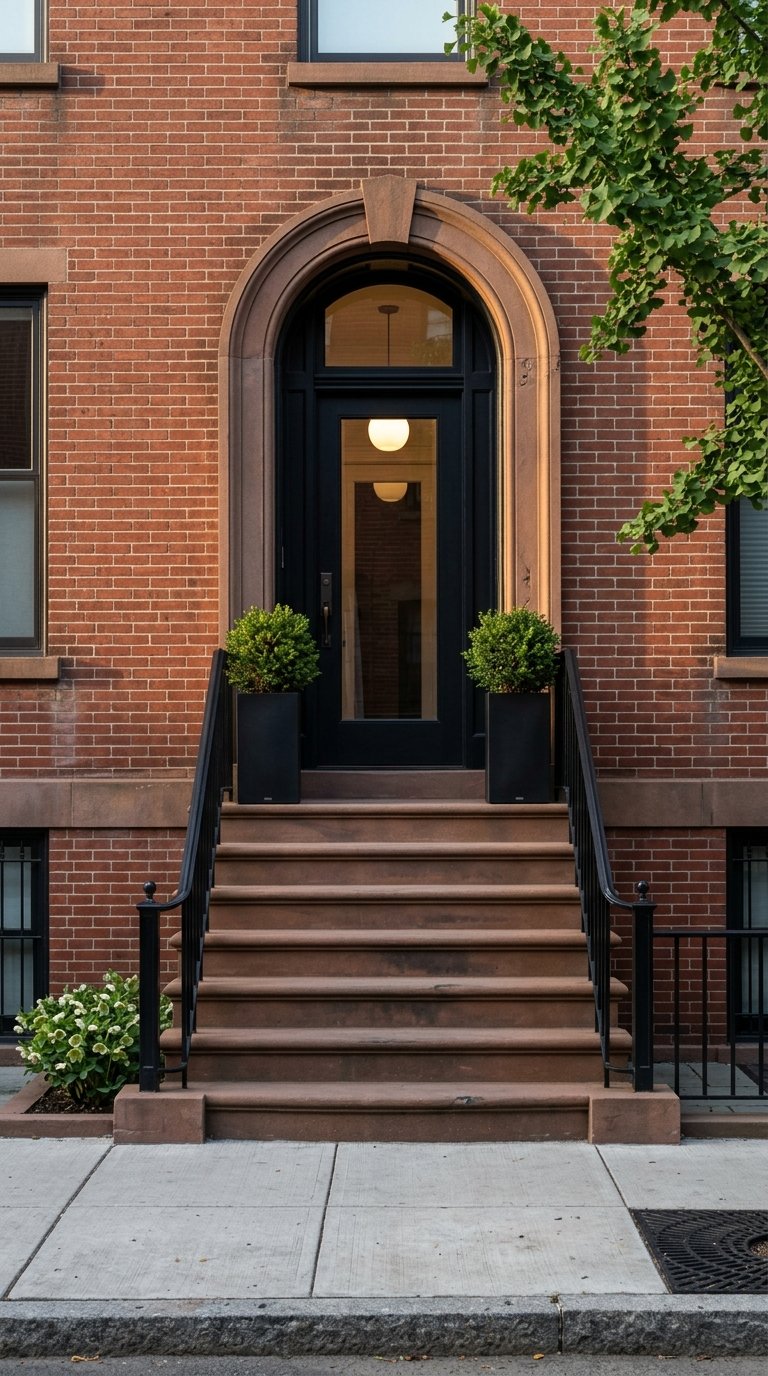
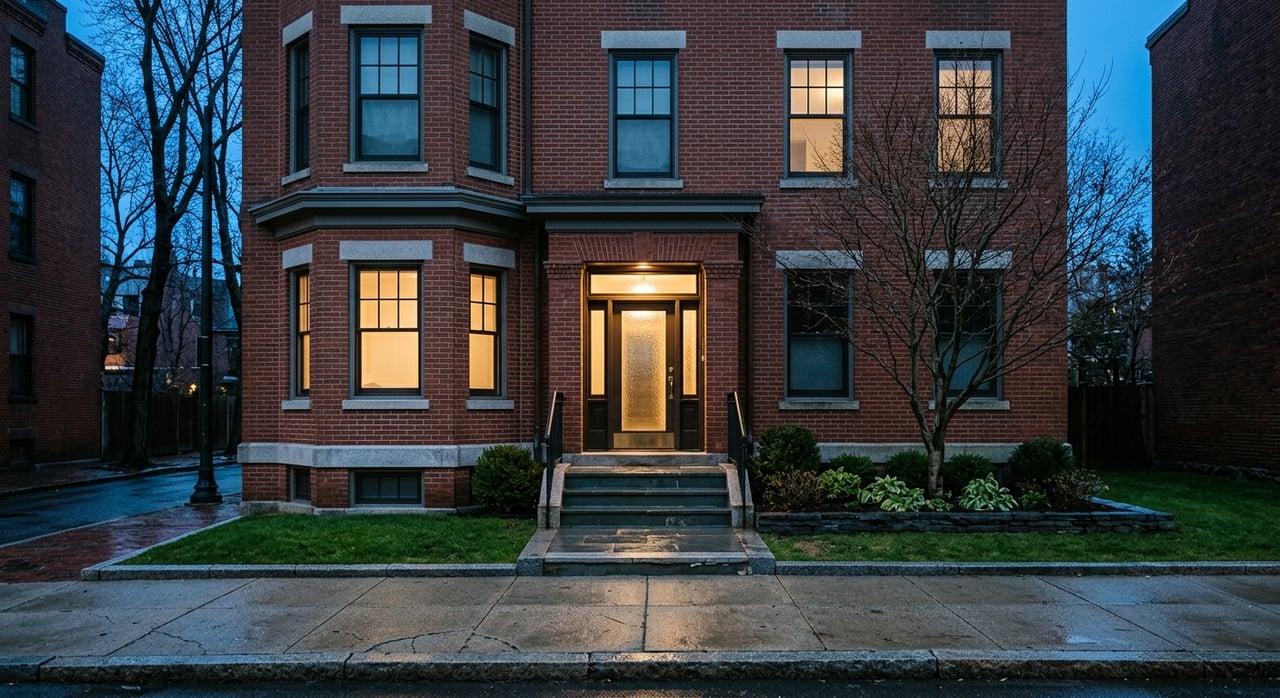
East Boston gives you a mix that many first-time buyers find appealing: older condo conversions, newer condo buildings, and some small multi-family options. Boston planning documents show the area includes both restored triple-deckers and newer waterfront or transit-adjacent development, which means your choices can look very different from one block or building to the next.
That variety is a plus, but it also means you need to compare more than list price. In East Boston, affordability often comes down to your full monthly cost, the condition of the building, and whether flood insurance or higher HOA dues could change your budget.
Current search data shows 173 condos for sale in East Boston with a median listing price of $729,000. Multi-family listings show 31 properties for sale with a median listing price of $725,000. Since those prices are close, your decision may come down to monthly carrying costs, upkeep, and ownership responsibilities rather than the purchase price alone.
Step 1: Set a real budget
Before you tour homes, build your budget around the full payment, not just the mortgage. Consumer guidance says your monthly home payment can include principal, interest, property taxes, mortgage insurance, homeowners insurance, supplementary insurance like flood insurance, and HOA fees.
That matters a lot in East Boston. A condo with a lower maintenance burden may still carry a sizable monthly HOA payment, while a multi-family may offer flexibility but can bring more repair and management responsibility.
Using the current East Boston condo median listing price of $729,000, a 3% down conventional example would mean about $21,870 down. At a 6.36% 30-year fixed rate, the principal and interest payment is roughly $4,405 per month before taxes, HOA dues, insurance, and mortgage insurance.
You also need to plan for closing costs. Typical closing costs often run about 2% to 5% of the purchase price, which on a $729,000 home works out to roughly $14,580 to $36,450. It is also smart to keep money set aside for moving, furnishings, and an emergency cushion.
East Boston budget example
Here is a simple way to think about the monthly stack on a condo near the current median listing price:
| Cost category | Example amount |
|---|---|
| Principal and interest | $4,405/month |
| Property taxes before exemption | About $753/month |
| Property taxes after exemption, if eligible | About $391/month |
| HOA dues | Varies, often a few hundred to $1,000+ |
| Homeowners insurance | Varies |
| Flood insurance, if required | Varies |
| Mortgage insurance, if applicable | Varies |
Boston’s FY26 residential tax rate is $12.40 per $1,000 of assessed value. On a $729,000 condo, that is about $753 per month in taxes before any residential exemption. If you qualify for Boston’s residential exemption and occupy the property as your principal residence, the savings can reduce that amount to about $391 per month.
Step 2: Compare financing options early
Financing is not something to leave for later. Getting preapproved early helps you understand your price range, your estimated monthly payment, and which loan programs may fit your situation.
Low-down-payment options are still available for eligible buyers. HomeReady and Home Possible can go as low as 3% down, FHA allows down payments as low as 3.5%, and eligible VA borrowers may be able to buy with no down payment.
If you put less than 20% down on a conventional loan, you may need private mortgage insurance. FHA loans require mortgage insurance as well. With HomeReady, mortgage insurance can be canceled once you reach 20% equity.
Interest rates also move, so do not build your plan around an old quote. Freddie Mac reported a 30-year fixed average of 6.36% on May 14, 2026, but your actual rate and payment could look different when you are ready to write an offer.
Look into MassHousing help
For many first-time buyers in Massachusetts, MassHousing is worth a close look. It currently offers statewide first-time buyer assistance up to $30,000, and as of spring 2026 it is also offering a limited-time $25,000, 0% interest option for eligible buyers who lock a MassHousing Mortgage between April 27 and July 31, 2026.
That assistance is structured as a second mortgage and can be used for down payment, closing costs, permanent rate buydowns, and upfront mortgage insurance premiums. If you use MassHousing financing as a first-time buyer, homebuyer counseling is required, and approved classes are available statewide.
Step 3: Choose the right property type
In East Boston, first-time buyers often look at condos first, but that is not your only option. The right fit depends on your budget, your day-to-day lifestyle, and how much responsibility you want to take on after closing.
Condos in older buildings
Older condos can offer character and a different price structure than newer buildings. In East Boston, that can mean units in restored triple-deckers or other converted buildings.
When you look at an older condo, pay close attention to the condo association’s finances. A careful review should focus on dues, budget strength, reserves, special assessments, and any pending assessments that could affect your future costs.
Newer construction condos
Newer buildings can reduce the risk of near-term repair issues, which appeals to many first-time buyers. John Dolan’s new-construction experience can be especially useful here, since building-level details and monthly carrying costs can vary a lot from one project to another.
The tradeoff is often cost. Buildings with elevators, parking, and other amenities may come with higher HOA dues, and that monthly expense can become a major part of your true housing payment.
Live-in multi-family properties
If you are open to living in one unit and renting the others, a 2- to 4-unit property may be worth exploring. FHA loans are available on 1- to 4-unit properties, and eligible VA borrowers may also buy up to 4 units if they occupy the property.
That said, this path is more involved than buying a condo. You are not only buying a home, you are also taking on landlord responsibilities, and MassHousing specifically requires landlord counseling for 2- to 4-unit purchases.
Step 4: Shop with the full monthly cost in mind
Once you are preapproved, it is time to match homes to your real budget. This is where many first-time buyers make mistakes, because the list price may look workable while the full monthly cost does not.
As you compare homes, look at these numbers together:
- Principal and interest
- Property taxes
- HOA dues, if any
- Homeowners insurance
- Flood insurance, if needed
- Mortgage insurance, if applicable
- Estimated maintenance or repair costs
This is especially important in East Boston because the current condo and multi-family median listing prices are so close. Two homes with similar prices can create very different monthly costs depending on taxes, dues, insurance, and upkeep.
Step 5: Review flood risk before you offer
Flood-zone review should be part of your early screening process in East Boston, not something you wait to address at the end. Boston planning work on the East Boston resilient waterfront notes pressure from coastal storms, sea-level rise, and recurrent flooding in waterfront and low-lying areas.
FEMA says flood maps help lenders determine insurance requirements. If a home is in a high-risk flood area and you are using a government-backed mortgage, flood insurance is required.
That does not mean you should rule out every low-lying or waterfront property. It does mean you should understand the insurance requirement, likely cost, and long-term resilience considerations before you write an offer.
Step 6: Make an offer with due diligence in mind
A practical homebuying sequence starts with affordability and loan shopping, then moves to home shopping, making an offer, inspection, insurance shopping, and closing. That order works well in East Boston because financing, building condition, and insurance can all change the true cost of ownership.
When you are ready to offer, keep your due diligence focused on the type of property you are buying. For a condo, that means reviewing association documents carefully. For a multi-family, that means reviewing the property’s operating assumptions and understanding what ownership will require from you.
A strong local checklist includes:
- Get preapproved before actively touring
- Price the full monthly payment, including taxes and HOA dues
- Review condo documents or multi-family operating assumptions
- Verify whether flood insurance is needed
- Compare at least two loan paths if you may qualify for conventional, FHA, VA, or MassHousing programs
Step 7: Prepare for inspection, insurance, and closing
After your offer is accepted, the process is not over. Inspection, insurance, and final numbers are all important parts of the transaction.
A home inspection can help you better understand the property’s current condition and potential repair issues. On condos, your review should also include shared building items that could affect future costs through HOA increases or assessments.
You should also shop for homeowners insurance before closing. In East Boston, this step matters even more if the property may require flood insurance, since that can affect your monthly budget and your final approval path.
Finally, make sure you have enough cash ready for all closing expenses. Beyond your down payment, you may need funds for closing costs, prepaid items, moving expenses, furnishings, and your emergency reserve.
What first-time buyers often miss in East Boston
The biggest surprise for many buyers is that headline price is only part of the story. In East Boston, two homes with similar asking prices can feel very different financially once you factor in taxes, HOA dues, insurance needs, and building condition.
The second thing buyers often miss is how important building-level research can be. In an older conversion, the condo docs may tell you more about your real risk than the kitchen finishes do. In a newer building, the monthly fee structure can matter just as much as the age of the unit.
The third is timing. Rates, lender programs, and available assistance can change, so it helps to have a local advisor who can help you compare options in real time and move quickly when the right property shows up.
A smart first step for your search
If you are buying your first home in East Boston, the best first move is not scrolling listings for hours. It is building a clear plan around your monthly budget, your financing options, and the kind of property ownership experience you actually want.
That is where local guidance can save you time and stress. Whether you are comparing an older condo conversion, a newer construction unit, or a live-in multi-family, the right strategy starts with understanding the full cost and the tradeoffs behind each option.
If you want help mapping out your next step in East Boston, connect with John Dolan for a consultation tailored to your budget, financing path, and property goals.
FAQs
What should a first-time buyer budget for an East Boston condo?
- You should budget for principal, interest, property taxes, homeowners insurance, mortgage insurance if applicable, HOA dues, possible flood insurance, closing costs, moving expenses, and an emergency cushion.
How much are East Boston property taxes for a condo buyer?
- Using Boston’s FY26 residential tax rate, a $729,000 condo works out to about $753 per month before the residential exemption and about $391 per month after the exemption if you qualify and occupy the home as your principal residence.
Are HOA fees important when buying a first East Boston condo?
- Yes. HOA dues are a key part of affordability and can range from a few hundred dollars to more than $1,000 per month, so you should review them as part of your full monthly payment.
Should an East Boston buyer worry about flood insurance?
- You should review flood-zone status early, especially for waterfront or low-lying properties, because lenders may require flood insurance in high-risk areas depending on the loan type.
Is a multi-family home a good first purchase in East Boston?
- It can be, especially if you want to live in one unit and rent the others, but it is a more involved path because you also take on landlord responsibilities and may need extra counseling depending on the financing program.
What loan options can help a first-time buyer in East Boston?
- Eligible buyers may consider 3% down conventional options like HomeReady or Home Possible, FHA financing with 3.5% down, VA financing for eligible borrowers, and MassHousing assistance for down payment and closing costs.