Trying to choose between a South End brownstone and a condo building? In this part of Boston, that decision is rarely about which option is more desirable. It is usually about how you want to live, what kind of maintenance you can tolerate, and how you want your monthly housing costs to be structured. If you are weighing charm against convenience, this guide will help you sort through the tradeoffs and make a smarter South End buying decision. Let’s dive in.
Why this choice matters in South End
South End stands out for its historic character, central location, and strong housing demand. Boston describes the neighborhood as a landmark district known for Victorian brownstones, mixed-use streets, and nearly 30 parks, with easy access to Downtown and Back Bay.
The market also gives this decision more weight. As of spring 2026, Redfin reports a median sale price near $1.37 million, while Realtor.com shows a median listing price around $1.25 million. With pricing at this level, the better question is not whether South End is worth considering, but which ownership model fits your budget, lifestyle, and expectations.
Brownstone vs condo: the real difference
In South End, the line between these two options is not always as simple as buyers expect. A brownstone describes a building style and architectural character, but a unit inside a brownstone can still be legally owned as a condominium with shared rules and HOA dues.
That matters because you are not always choosing between a standalone historic home and a managed condo building. In many cases, you are choosing between a smaller-scale historic condo experience and a more service-oriented condo building experience.
What brownstone living offers
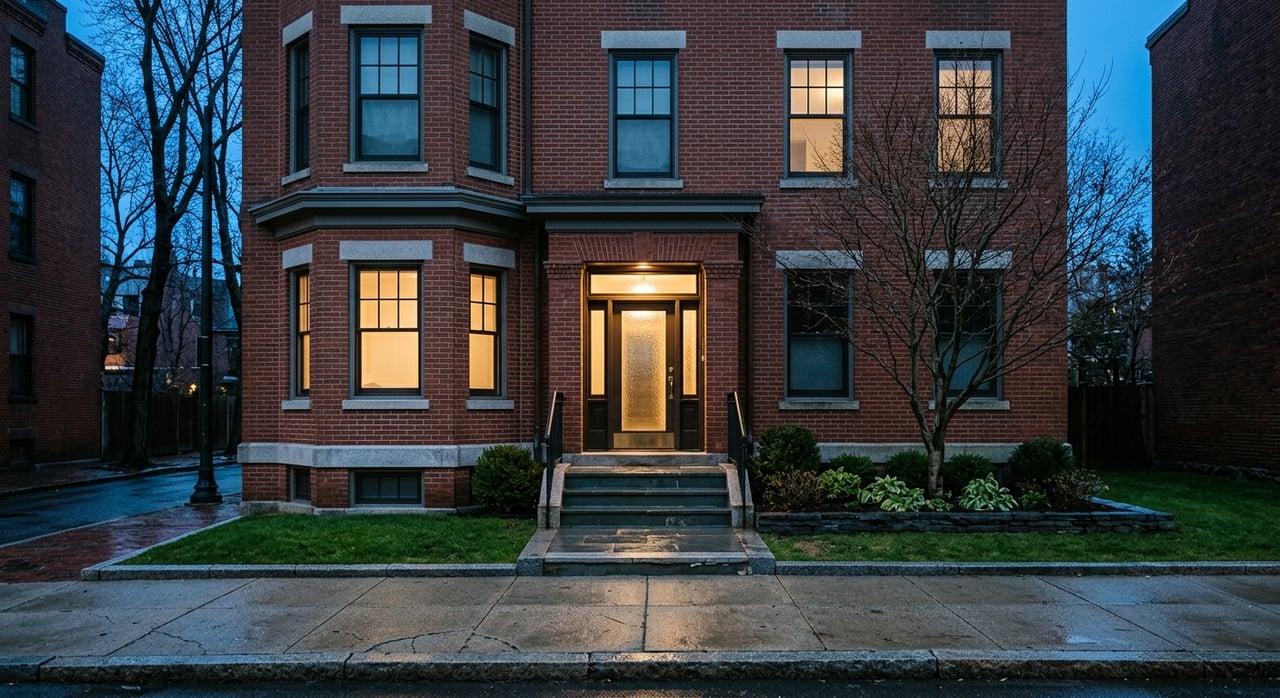
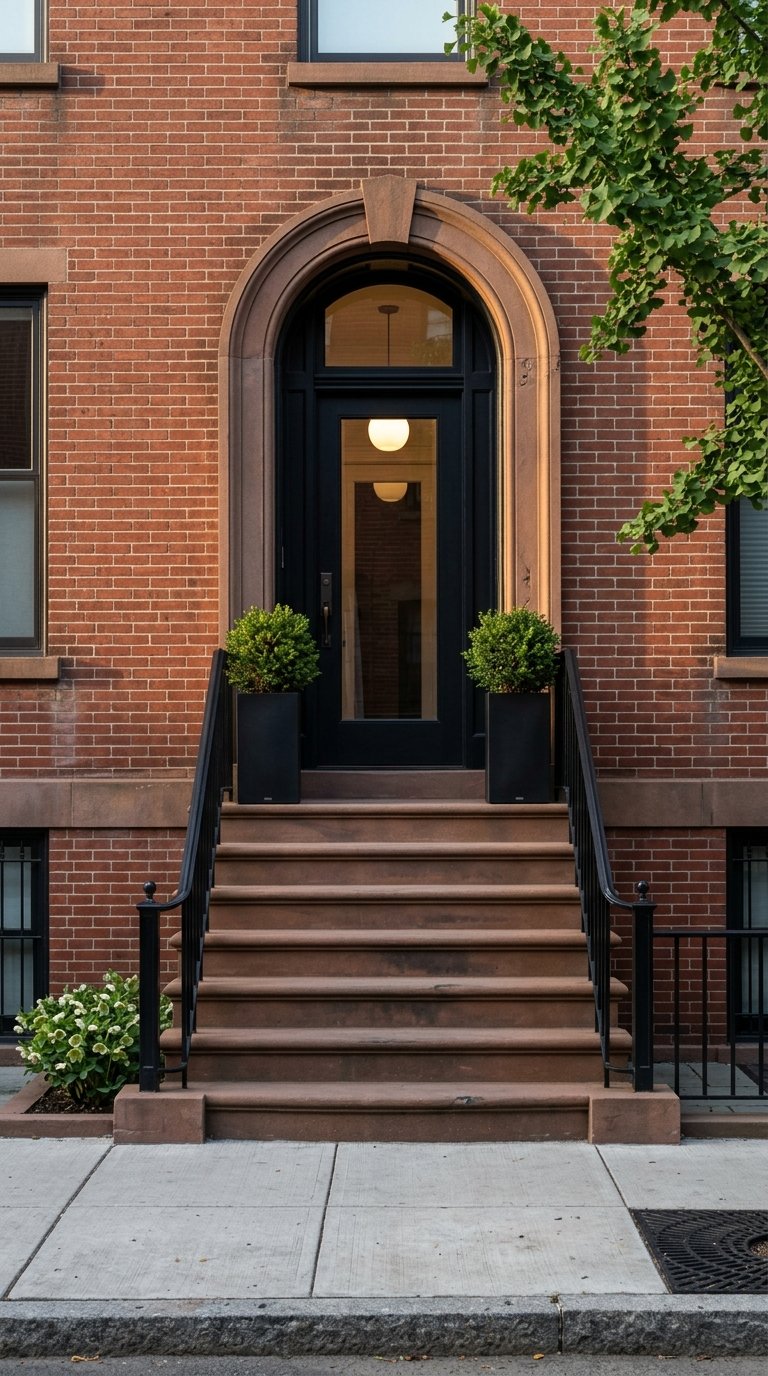
Brownstone living usually appeals to buyers who want architectural detail, classic streetscapes, and a more intimate feel. South End’s red-brick rowhouses are a defining part of the neighborhood, and for many buyers, that sense of place is hard to match in a larger building.
You may also find features that feel more private and distinctive, like a stoop entry, parlor-level layout, original detail, or a roof deck tied to a historic rowhouse setting. Some current brownstone condo listings also include modern upgrades such as deeded parking and private outdoor areas.
Brownstone pros
- Historic character and strong visual appeal
- Smaller building scale
- Unique layouts and original architectural details
- A more classic South End street presence
- Potential features like roof decks, patios, or deeded parking
Brownstone tradeoffs
- Older building systems may need more specialized repair
- Exterior changes can require landmark district approval
- Monthly dues may still apply if the unit is a condo
- Maintenance costs can be less predictable over time
- Fewer built-in services than a full-service condo building
Historic rules can shape your ownership experience
This is one of the biggest practical differences in South End. The South End Landmark District requires design approval before certain exterior work begins, including work on front facades, visible rooftops, and side or rear elevations that face a public way.
The district standards also favor repair over replacement for original elements in many cases. For example, the standards favor repairing original wood windows and do not allow vinyl replacement windows. Roof decks also should not be visible from a public way.
For you as a buyer, this means exterior changes are not always simple or fast. If you are considering a brownstone and already thinking about new windows, roof work, or outdoor upgrades, it is smart to investigate the approval path before you close, not after.
What condo building living offers
A condo building, especially a newer or more full-service one, usually shifts more of the upkeep into a shared system. Instead of managing as much of the building envelope directly, you pay common expenses that support maintenance, repairs, insurance for common areas, and shared services according to the condominium documents.
That can create a more predictable day-to-day ownership experience. It can also be attractive if you have a busy schedule, want amenities, or prefer a building with a more standardized maintenance structure.
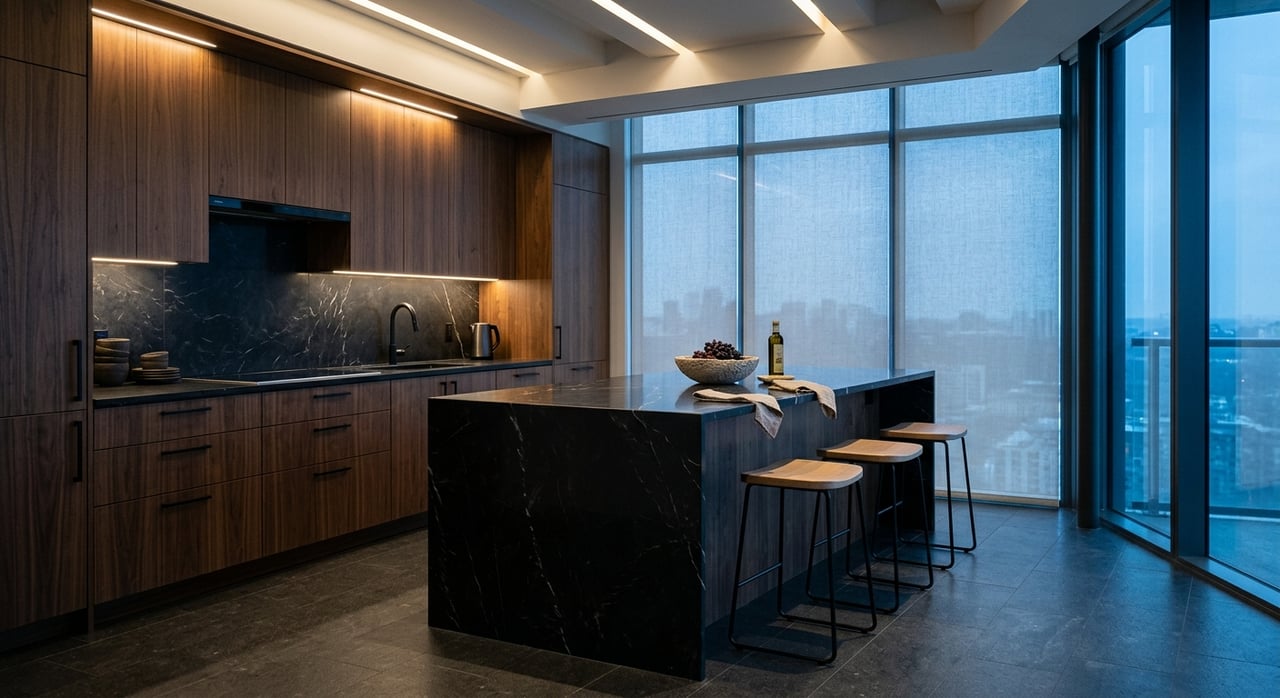
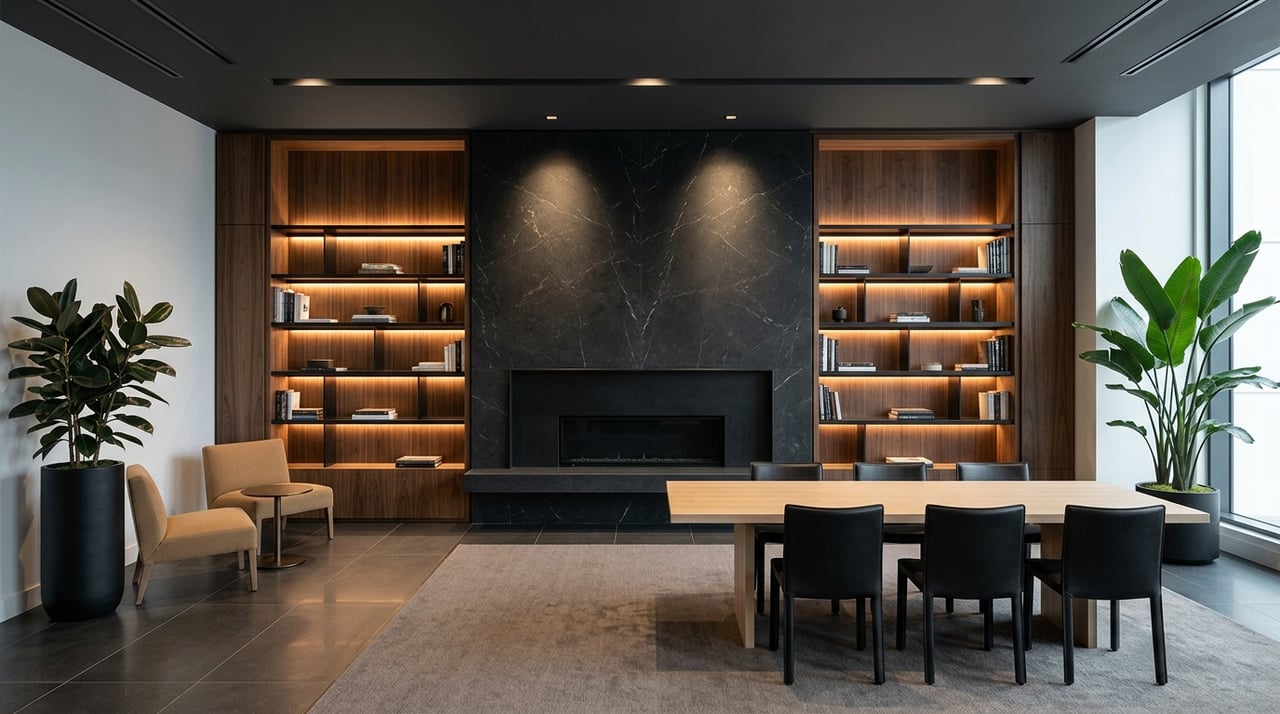
South End condo inventory shows just how wide that range can be. Current listings in buildings such as 100 Shawmut, The Quinn, and the Cosmopolitan highlight amenities like concierge service, garage or valet parking, fitness centers, lounges, private dining rooms, pet spas, and rooftop gathering spaces.
Condo building pros
- More predictable ongoing maintenance structure
- Amenities may include concierge, fitness, parking, and lounges
- Easier daily routine for buyers who want convenience
- Shared responsibility for common areas and building systems
- Often a strong fit for buyers seeking modern finishes and services
Condo building tradeoffs
- Monthly HOA dues can be significant
- Building rules may limit certain uses or alterations
- Special assessments are still possible
- The feel can be less private or less distinctive than a rowhouse
- Outdoor space may be shared or more limited depending on the building
What HOA fees really mean
Massachusetts condo law requires common expenses to be assessed based on an adopted budget, with the condominium by-laws spelling out how maintenance, repair, replacement, and collections are handled. In plain terms, your monthly HOA payment is part of the ownership structure, not just an extra bill.
That fee often helps cover common-area upkeep, repairs, shared services, and master insurance for common areas. The exact scope depends on the specific master deed and by-laws, which is why reviewing condo documents carefully matters just as much as reviewing the unit itself.
It is also important to understand that predictability is not the same as certainty. A building may still need a special assessment for larger work, and Massachusetts law allows some limited common-area costs to be assigned to the unit that benefits from them, depending on the documents.
Outdoor space matters more here than you think
Outdoor space carries real weight in South End. Boston notes the neighborhood has nearly 30 parks, but the city’s open-space planning has also described South End as the densest community in Boston, with only 0.74 acres of open space per 1,000 residents and no large parks within its boundaries.
That helps explain why buyers often place a premium on a private patio, terrace, balcony, stoop, or roof deck. In a dense neighborhood, even a modest private outdoor area can have an outsized impact on your daily life.
If outdoor space is a priority, the details matter. In a brownstone, adding or changing rooftop or exterior features may trigger landmark review. In a condo building, access, exclusivity, and maintenance responsibilities depend on the condominium documents, especially if the space is a limited common area.
Which option fits your lifestyle?
The right answer usually comes down to how you want your home to function each day. South End itself offers the same broad neighborhood appeal either way, including restaurants, arts, parks, and a central location close to Downtown and Back Bay.
So instead of asking which category is better, ask which tradeoffs you are more comfortable making.
A brownstone may fit you better if you want:
- Historic character and original detail
- A more intimate building experience
- A classic South End streetscape
- A unique layout instead of a standardized floor plan
- To accept more maintenance complexity for more charm
A condo building may fit you better if you want:
- A simpler day-to-day ownership experience
- Amenities and shared services
- More predictable building management
- Modern layouts and finishes
- A stronger convenience factor for a busy schedule
Budgeting beyond the listing price
In South End, buyers can get into trouble if they focus only on purchase price. A brownstone unit may look like the more charming option, but if the building needs preservation-sensitive repair, costs can rise quickly.
On the other hand, a full-service condo may come with higher monthly dues, but those costs can be easier to model upfront. Neither option is automatically cheaper or lower maintenance. The key is understanding how the costs show up and who is responsible for what.
When you compare properties, look closely at:
- Monthly HOA dues
- Building reserves and recent capital work
- Potential special assessments
- Exterior repair exposure
- Insurance structure for common areas versus your unit
- Whether outdoor space or parking carries separate costs or obligations
A smart South End buying approach
In a neighborhood like South End, the best purchase is usually the one that matches your habits, not just your taste. A buyer who loves historic architecture but travels often may find that a brownstone’s upkeep feels heavier than expected. A buyer drawn to amenities may decide the monthly dues are worth the smoother routine.
This is where local, building-level guidance matters. In South End, the fine print around condo documents, exterior review rules, and building condition can shape your experience just as much as the finishes in the kitchen.
If you are comparing brownstones, boutique condos, or full-service buildings in South End, the goal is to look past surface appeal and understand the ownership model clearly. That is how you avoid surprises and buy with confidence.
Whether you are sorting through historic rowhouses or newer condo inventory, John Dolan can help you compare the real tradeoffs and find the right fit for your goals.
FAQs
What is the difference between a South End brownstone and a South End condo?
- In South End, a brownstone usually refers to the historic building style, while a condo refers to the ownership structure. A unit in a brownstone can still be a condominium with HOA dues, shared rules, and common expenses.
What do HOA fees cover in a South End condo?
- HOA fees typically support common-area maintenance, repairs, insurance for common areas, and shared services, but the exact coverage depends on the condominium’s master deed and by-laws.
Are South End brownstones always lower maintenance than condo buildings?
- No. Brownstone units can still have HOA dues and can involve older masonry, windows, rooflines, and exterior details that may need specialized repair or landmark review.
Can you easily change windows or add a roof deck in South End?
- Not always. In the South End Landmark District, visible exterior work such as some window replacements, rooftop work, and roof decks can require design review and approval before work begins.
Which South End option is better if you want convenience?
- A modern or full-service condo building usually offers more convenience through shared maintenance, amenities, and building services, while a brownstone often offers more character with a less standardized ownership experience.