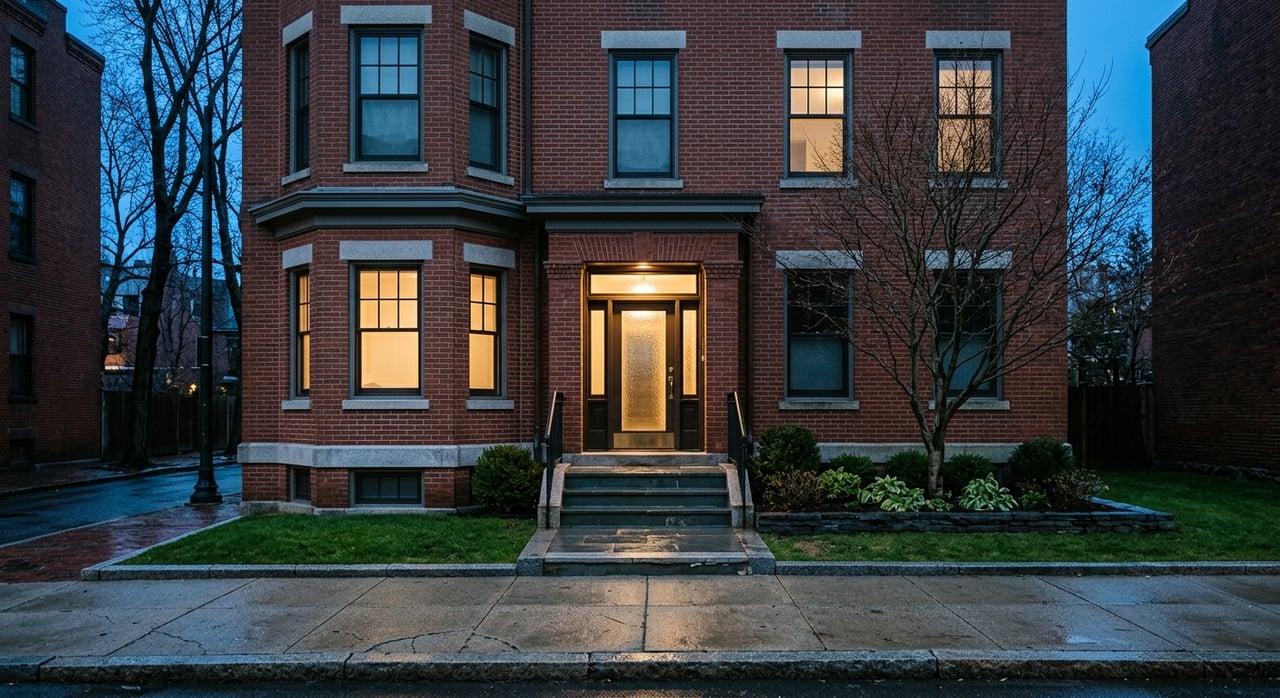
If you want a shorter trip into Boston without giving up neighborhood character, Medford deserves a serious look. For many buyers and renters, the challenge is finding a place that feels connected, practical, and livable on weekdays and weekends. Medford offers that balance with rail access, local business districts, green space, and a range of housing options. Let’s dive in.
Why Medford works for Boston commuters
Medford sits about 3.2 miles northwest of downtown Boston, which helps explain why it stays on the radar for people who need a manageable commute. It feels close to the city, but it also has its own rhythm, with neighborhood squares, parks, and a mix of housing types.
The city had a 2024 population of 59,898, and Census data shows a mean travel time to work of 30.2 minutes. That does not mean every commute looks the same, but it does reinforce Medford’s appeal for people who want urban access without living right in downtown Boston.
Another reason Medford fits commuter life is that it is not built around just one kind of experience. City materials highlight open space, small business districts, and neighborhood amenities, which makes it easier to picture a routine that includes errands, coffee, dinner, and outdoor time close to home.
Transit options from Medford
Green Line and commuter rail access
Two rail options stand out for Boston commuters. The Green Line Extension includes a Medford branch, and the city specifically references the Medford/Tufts Green Line station in its transportation planning. That gives many residents a direct transit option for getting toward Boston without relying on a car every day.
West Medford also has access to the Lowell Line commuter rail. For some commuters, that creates useful flexibility, especially if your work schedule, destination, or routine changes throughout the week.
Bus service and local connections
Bus service adds another layer to daily mobility. According to the City of Medford, MBTA Route 96 received increased daily service beginning April 5, 2026, and Route 101 received increased weekend service.
That matters because commuter life is not only about the trip into Boston. It is also about getting to stations, connecting between neighborhoods, and handling day-to-day errands without every short trip turning into a drive.
Bike access and Bluebikes
If you like having a bike option, Medford has become easier to navigate for short trips and station access. The city says there are now 15 Bluebikes stations, including Medford Square, Tufts Square, Wellington MBTA Station, and West Medford.
For some residents, that can make a car-light lifestyle more realistic. Even if you still own a car, having bikes available for first-mile and last-mile trips can make weekday routines simpler.
Driving and parking in Medford
Not every Boston commuter wants to go fully car-free. If you expect to drive some or all of the time, Medford still has strong regional access.
The State Police Medford Barracks area includes I-93, Route 16, and Route 60, and Wellington Circle sits where Routes 16 and 28 meet. In practical terms, that means Medford works for many people who split their week between driving, transit, and local trips.
Parking is also part of the conversation, especially near Green Line stops. The city’s Green Line Zone covers roughly a quarter-mile radius around three GLX stops, replacing the old street-by-street system on July 1, 2024, and becoming permanent on February 11, 2025.
If you are considering a home near transit, it is smart to factor neighborhood parking rules into your decision early. That can be especially important if your household has more than one car or expects frequent guest parking.
Can you live in Medford without a car?
For many people, yes, at least depending on where you live and how you commute. Medford’s mix of rail, bus, bike access, and neighborhood business districts makes it more practical than many places that feel farther from Boston’s transit network.
The city has five squares with restaurants, bakeries, eateries, and small businesses: Medford Square, West Medford Square, Hillside, South Medford Square, and Haines Square. If you live near one of these districts, everyday life can feel more convenient because you are not driving for every meal, coffee run, or quick errand.
That said, your experience will depend on your exact location and routine. If you need frequent regional trips, carry gear for work, or want maximum flexibility, keeping a car may still make sense.
What daily life feels like in Medford
Neighborhood squares and local businesses
One of Medford’s biggest strengths is that commuter life does not stop when you get home. The city’s five squares create multiple pockets of activity rather than one single center, which gives different parts of Medford their own practical feel.
The city also allows seasonal outdoor dining licenses from May through October for restaurants, cafes, and other food businesses. That supports a more active street life during warmer months and adds to the appeal for buyers who want a neighborhood feel close to Boston.
Walkability improvements
Medford has also invested in making some commercial areas easier to navigate on foot. In Haines Square, a 2023 complete streets reconstruction reduced curb radii, shortened crossing distances, added curb extensions, improved lighting, expanded sidewalks, and installed ADA-compliant ramps.
Projects like that matter because walkability is not only about distance. It is also about whether the route feels comfortable and practical for everyday use.
Parks, trails, and outdoor space
A shorter commute is only part of what makes a place livable. If you want access to trails, water, and open space after work or on weekends, Medford has a lot going for it.
The city says it has more than 300 acres of city-maintained open spaces and over 10 parks. That gives residents a meaningful amount of recreational space within city limits.
The Middlesex Fells Reservation is an even bigger draw. This state reservation spans 2,575 acres and includes more than 100 miles of mixed-use trails, with Medford trail access points including the Bellevue Pond pull-off.
The Mystic River corridor is another major asset. State resources list Mystic Lakes State Park and Torbert Macdonald State Park in Medford, and Mystic Lakes State Park offers free parking plus swimming, rowing, and sailing access.
Medford is also working on three shared-use path projects along the Mystic River. The Clippership Connector is designed as a half-mile waterfront path that would link more than 10 miles of contiguous greenways and improve access between Medford Square, schools, and Riverbend Park.
Medford housing options for commuters
A mix of property types
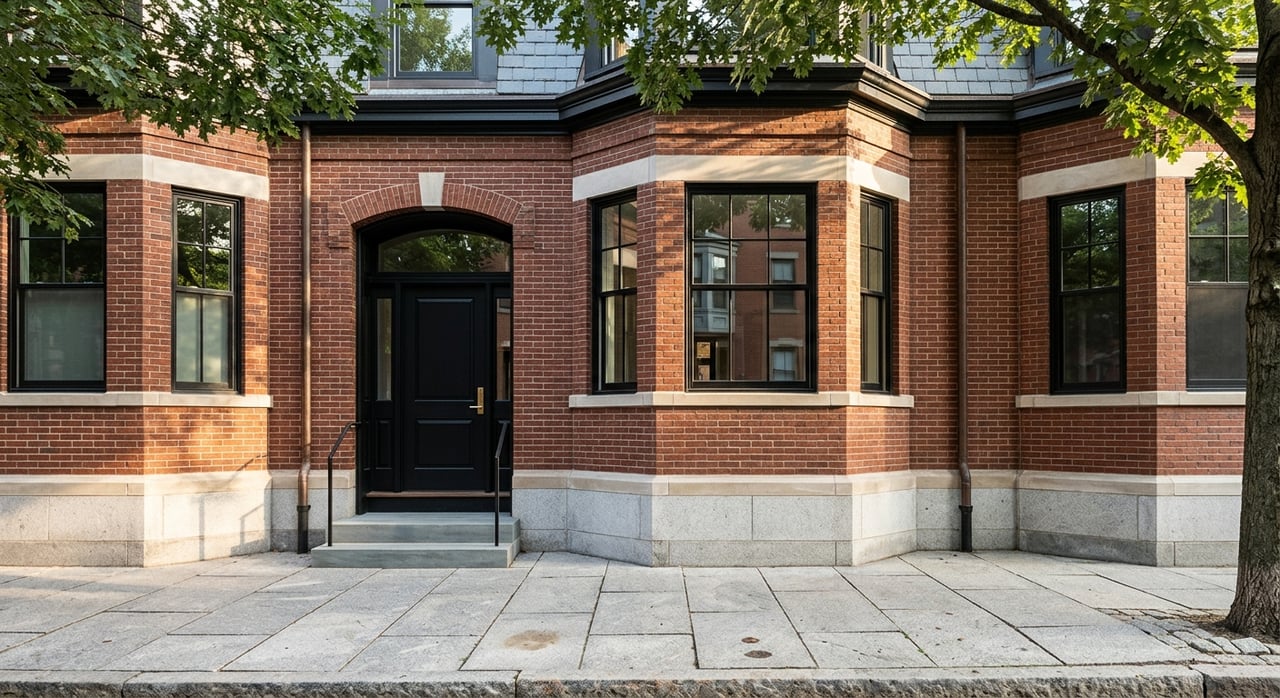
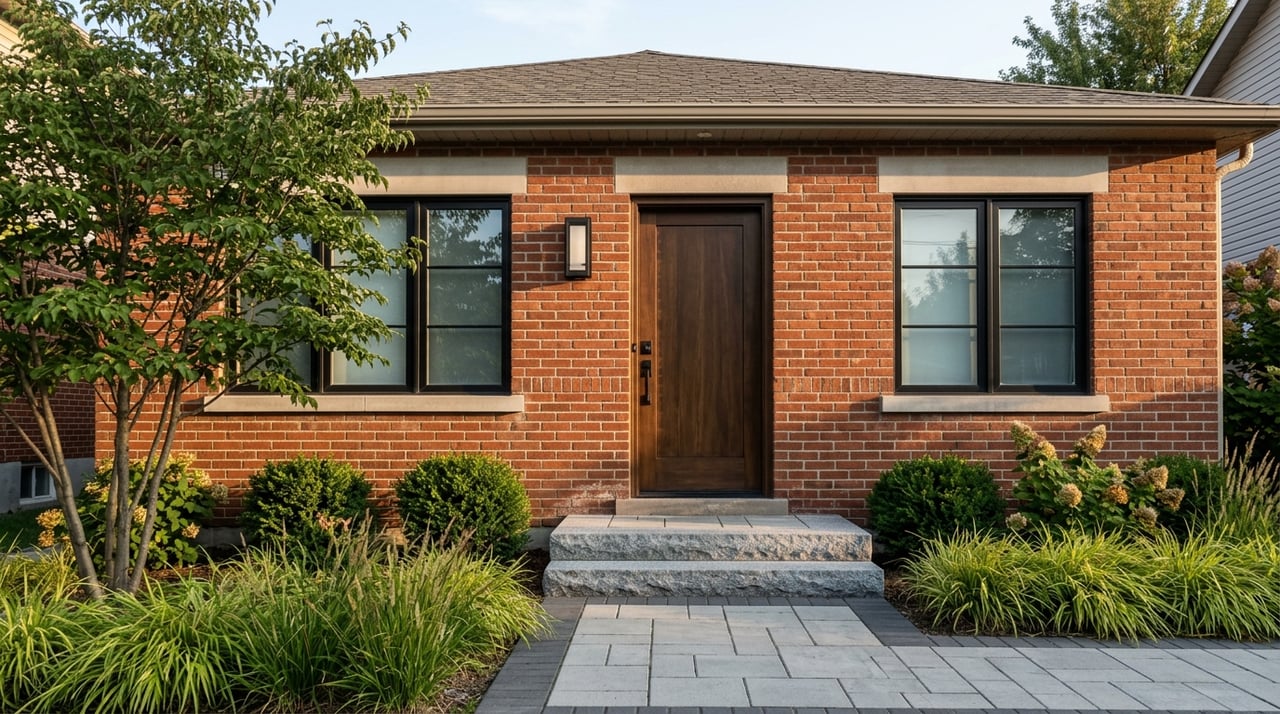
Medford’s housing stock is one of the reasons it appeals to a wide range of commuters. Rather than being dominated by one property type, the city includes condos, two-family homes, small multifamily buildings, and some single-family homes.
The city’s Housing Production Plan emphasizes a mix of housing types for different income levels. Medford has also approved the Wellington Station Multifamily Overlay District, and the Building Department says there are more than 500 properties designated as three-or-more-unit R-2 multifamily properties.
That variety matters if you are comparing Medford to places with fewer choices. You may be able to target a condo near transit, a two-family with more space, or a small multifamily property depending on your goals and budget.
New housing in the pipeline
Medford’s local pipeline also points to continued multifamily development. The selected 2025 proposal in the Medford Square redevelopment plan includes 283 apartments, including 56 income-restricted units.
For buyers and sellers, that is useful context because it shows that housing growth is still part of the city’s long-term picture. It also reinforces Medford’s role as a close-in community trying to expand housing choice.
What Medford homes cost
If you are budgeting for a move, it is best to think in ranges rather than one fixed number. Different data sources measure different things, and Medford prices can shift by property type, location, and month.
Census QuickFacts shows a median value of owner-occupied housing units of $755,500 and a median gross rent of $2,509. Zillow’s May 2026 home value index puts the average Medford home value at $842,298 and notes that homes go pending in about 13 days.
MLS-based Massachusetts Association of Realtors data gives a more specific look at sales by property type. In February 2026, the condo median sales price in Medford was around $650,000, while the March 2026 year-to-date median sales price for single-family homes was about $915,000.
A December 2025 condo report put Medford condos closer to $583,750, which shows how much condo pricing can move with inventory and timing. If you are shopping here, it helps to look at current segment-specific data instead of relying on one headline number.
Who Medford may suit best
Medford can make sense if you want close access to Boston but still care about neighborhood-level convenience. It is especially appealing if you value multiple commute options, local business districts, and easy access to parks and trails.
It can also be a strong fit if you are deciding between Boston and the inner suburbs. You may find that Medford offers a broader mix of housing types while still keeping you connected to the city.
For buyers looking at condos, small multifamily properties, or commuter-oriented neighborhoods near Boston, Medford is worth a close look. The key is matching the right part of the city and property type to your actual routine.
If you are weighing Medford against Boston neighborhoods or nearby commuter towns, a neighborhood-by-neighborhood strategy can save you time and help you focus on the options that fit how you really live. When you are ready to talk through Medford condos, multifamily opportunities, or a move closer to Boston, connect with John Dolan.
FAQs
Is Medford, MA good for commuting to Boston?
- Yes. Medford is about 3.2 miles northwest of downtown Boston and offers access to the Green Line Extension, the Lowell Line at West Medford, bus service, bike stations, and major roadways including I-93.
Can you live in Medford, MA without a car?
- In some parts of Medford, yes. Areas near rail, bus routes, Bluebikes stations, and the city’s five business squares can support a car-light lifestyle, though your exact experience depends on your location and daily routine.
What transit options do Medford, MA residents have?
- Medford commuters can use the Medford/Tufts Green Line station, the Lowell Line from West Medford, MBTA bus routes including Route 96 and Route 101, and Bluebikes stations across the city.
What is parking like near Medford, MA Green Line stations?
- Parking near certain GLX stops is affected by the city’s Green Line Zone, which covers roughly a quarter-mile radius around three stations and replaced the older street-by-street parking system.
What kinds of homes can you find in Medford, MA?
- Medford offers a mix of condos, two-family homes, small multifamily properties, and single-family homes, which gives commuters and investors several property types to consider.
How much do homes cost in Medford, MA?
- Recent data points suggest a range. Condo median pricing has recently been reported around the mid-$500,000s to about $650,000, while single-family median pricing has recently been around $915,000, with broader home value measures also showing Medford in the mid-$700,000s to low-$800,000s depending on the source.
What is Medford, MA like outside of work hours?
- Medford offers five neighborhood squares with local businesses, more than 300 acres of city-maintained open space, over 10 parks, access to the Middlesex Fells Reservation, and Mystic River recreation areas.