If you are shopping for a luxury condo in Back Bay, you are not just choosing finishes, views, or amenities. You are also choosing a building type, a service model, and a lifestyle shaped by one of Boston’s most closely protected historic districts. That can make the search feel exciting, but also more nuanced than in other luxury markets. In this guide, you will learn how Back Bay’s condo inventory is structured, what to look for in each building category, and which questions can help you buy with confidence. Let’s dive in.
Why Back Bay feels different
Back Bay stands apart because its luxury housing stock is shaped by preservation as much as by demand. The neighborhood sits within the Back Bay Architectural District, where proposed exterior work is reviewed before it begins.
That review process helps explain why Back Bay feels visually cohesive. The district’s design framework preserves features like continuous street facades, regular cornice lines, projection bays, oriel windows, and historic materials, as outlined in the residential district guidelines.
For you as a buyer, that means luxury in Back Bay often looks different from luxury in newer neighborhoods. Instead of a market dominated by all-glass towers, you will find a mix of restored brownstones, boutique conversions, carefully scaled infill buildings, and a limited number of full-service towers and branded residences.
Common Back Bay luxury building types
Understanding the main building categories can help you narrow your search faster. In Back Bay, the right fit often comes down to how much you value character, privacy, services, and building amenities.
Brownstone conversions
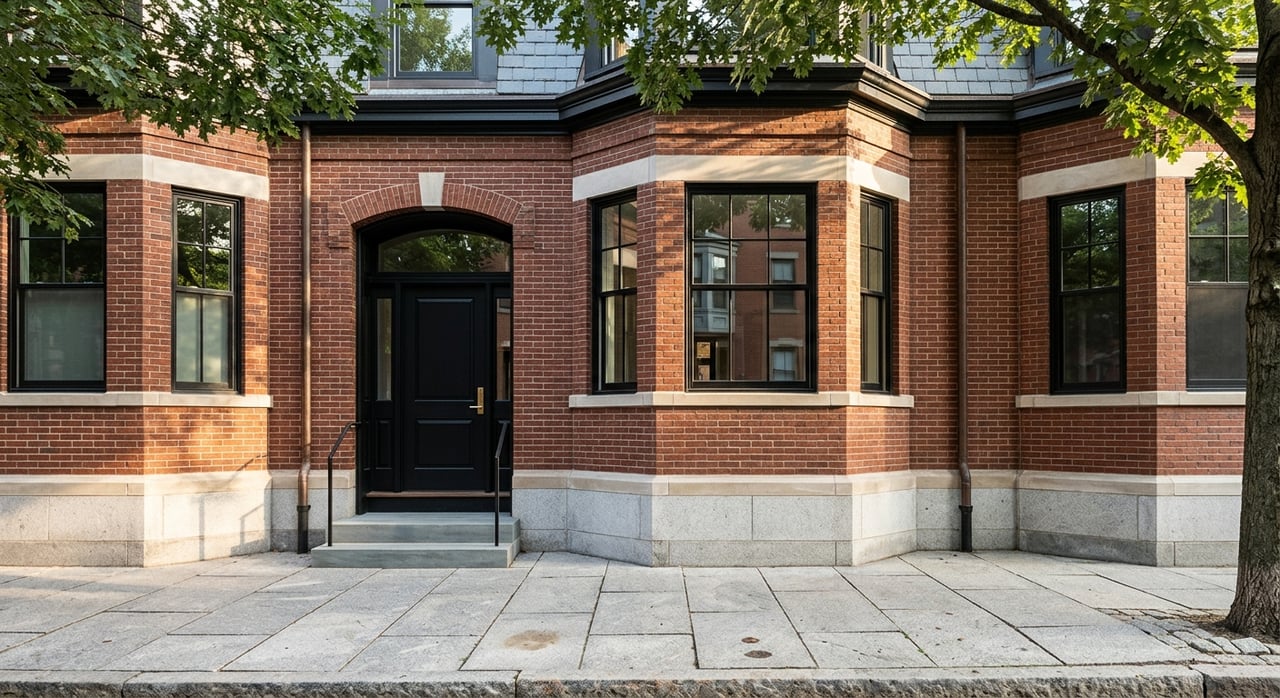
Many of Back Bay’s historic brownstones and townhouses have been divided into condominium units, creating a housing stock that often feels intimate and architectural. A long-running regional condo trade publication notes that this pattern has shaped much of the neighborhood’s residential inventory, especially along its classic residential streets.
For many buyers, the appeal is obvious. These homes often offer original detail, smaller building populations, and a stronger sense of privacy than a larger tower.
The tradeoff is that the experience is usually less amenity-driven. In a brownstone conversion, your due diligence matters more around masonry, windows, roof condition, and the long-term upkeep of historic materials.
Boutique and infill buildings
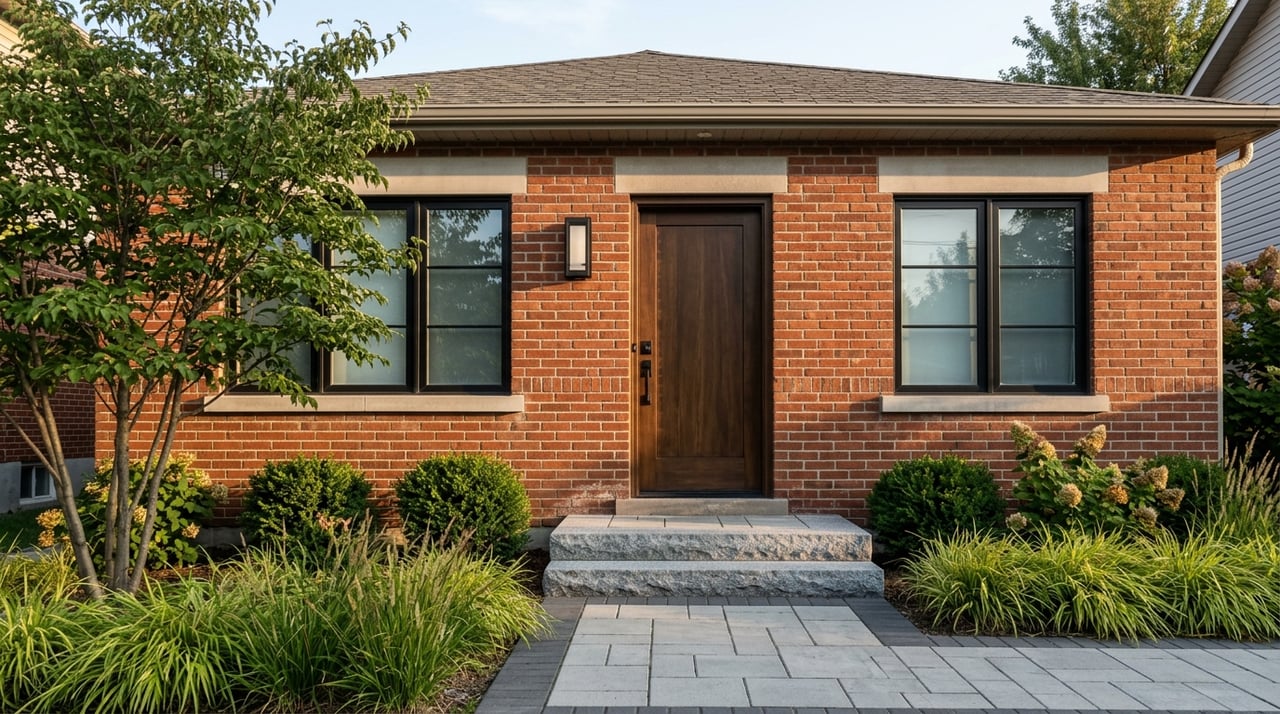
Back Bay also includes newer and redeveloped buildings that fit within the district’s historic context. Because new construction and exterior changes must harmonize with surrounding height, scale, proportions, and materials, these properties tend to read as restrained infill rather than dramatic departures from the streetscape, according to the district design guidelines.
For you, this can mean a compelling middle ground. You may get a more modern interior layout and newer systems, but without the oversized amenity package common in some large-scale luxury developments.
These buildings are often a strong fit if you want updated finishes and lower-maintenance living, while still staying rooted in Back Bay’s historic character. They can also appeal to buyers who want a smaller association rather than a high-rise environment.
Full-service towers
At the highest service level, Back Bay includes modern tower residences with a more hotel-like ownership experience. One Dalton Street private residences are described by Four Seasons as a 61-story tower with 174 private residences, plus a private lobby, members’ club, pool, spa, dining, cinema, and additional resident amenities.
This building type is typically best for buyers who prioritize convenience, staffing, and a more comprehensive amenity package. If you travel often, want on-site support, or prefer a lock-and-leave lifestyle, a full-service tower may align well with your needs.
Branded residences
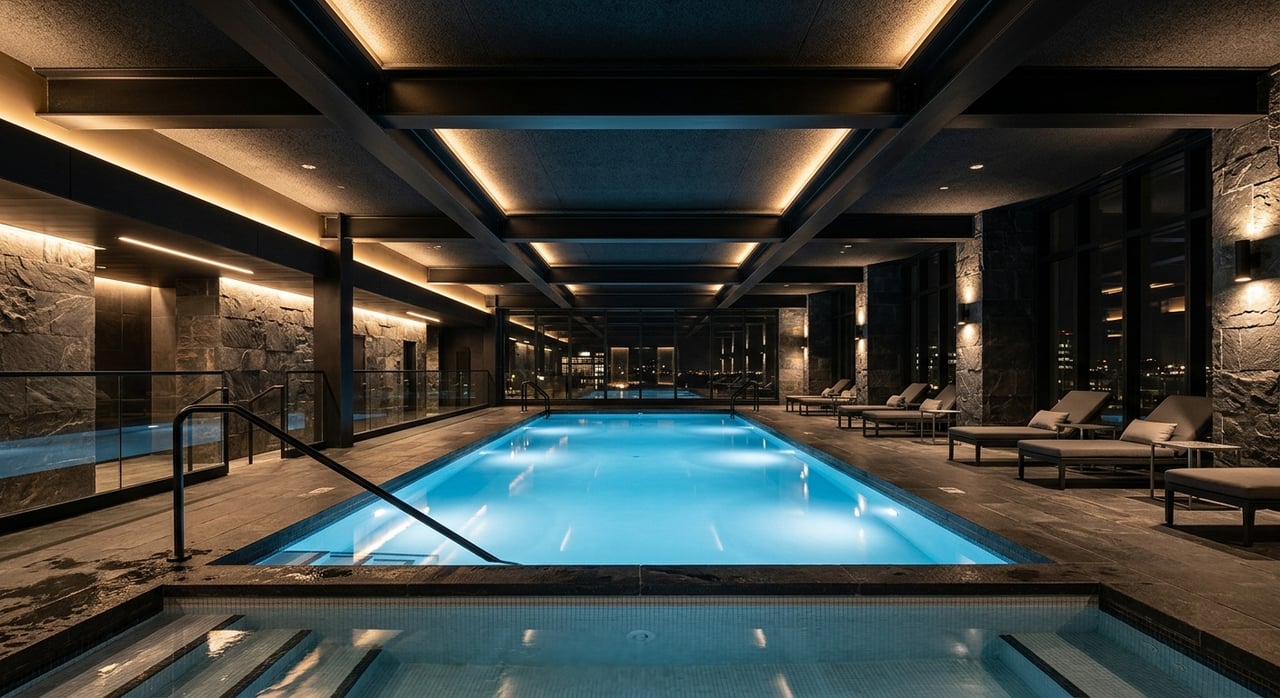
Back Bay also offers branded residences at the very top of the market. Raffles Boston residences market 146 branded homes with access to privileged services, while the broader Boston property highlights butler service, private dining, a spa, and a 20-meter indoor pool.
For buyers, branded residences are usually less about square footage alone and more about service consistency and hospitality-style living. If your definition of luxury includes staffing, privacy, and a curated daily experience, this category is worth close attention.
How amenities work in Back Bay
One of the biggest mistakes luxury buyers make is assuming every premium building offers the same amenity mix. In Back Bay, that is rarely true.
A brownstone conversion may offer little beyond shared maintenance and storage. A boutique building may provide an elevator, garage access, or limited common spaces. A full-service or branded residence may offer 24-hour concierge service, valet, fitness areas, spa access, club spaces, and dining options.
The right question is not just, “What amenities does the building have?” It is, “Which amenities will you actually use, and what are you paying for each month to support them?”
Rooftop spaces are more limited
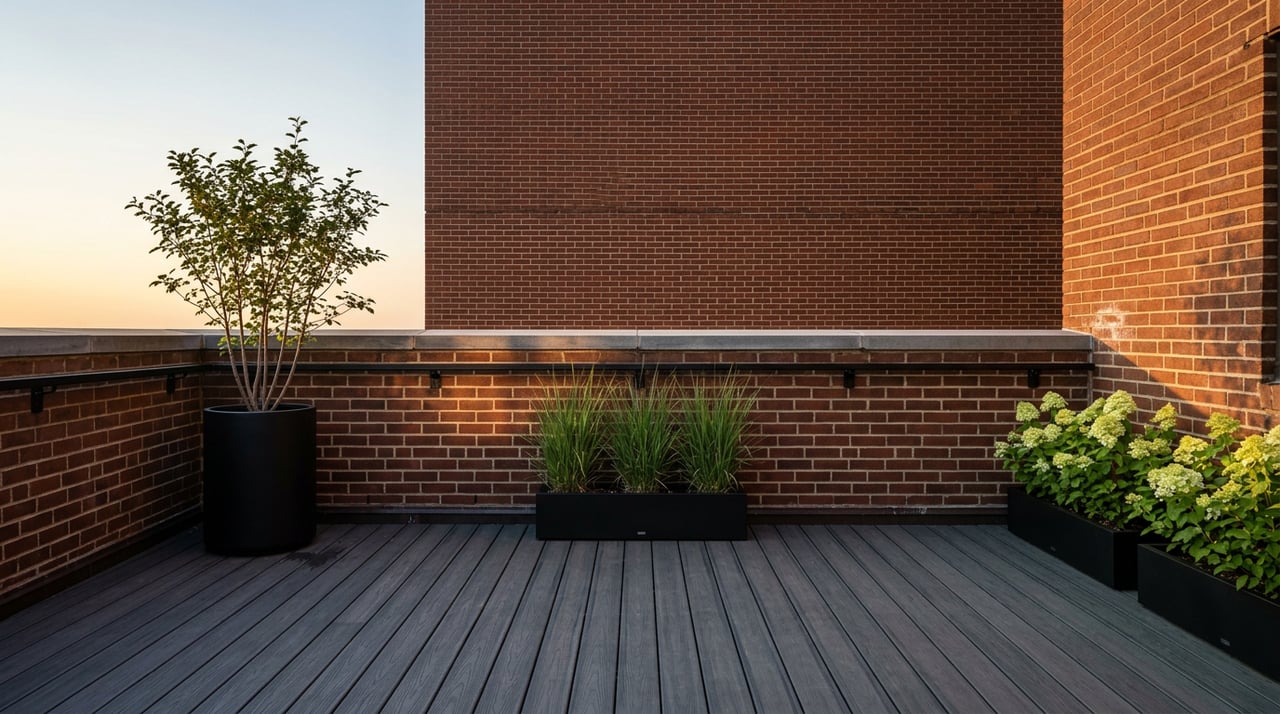
Rooftop amenities often deserve special scrutiny in Back Bay. The district guidelines place tight controls on roof additions, decks, penthouses, and access structures, with a strong focus on limiting visibility from public ways and integrating rooftop features into the building design.
That means rooftop terraces and penthouse-style additions can be more constrained than buyers expect. If a roof deck, private terrace, or top-floor addition is important to you, it is smart to confirm how that feature fits within district approvals.
Parking and valet matter more here
Parking can be a bigger quality-of-life factor in Back Bay than many first-time luxury buyers realize. The neighborhood’s dense layout, walkability, and limited on-site parking supply make the parking model a major part of your decision.
Some buildings may offer deeded parking. Others may rely on valet, off-site arrangements, or access to nearby private garages. The area also includes large underground garages at Prudential Center and Copley Place, and Boston has documented low-profile EV charging solutions in historic districts in its Back Bay and Beacon Hill planning materials.
If you own a car, or plan to, do not treat parking as a side issue. Ask whether the space is deeded, leased, valet-based, or off-site, and whether EV charging is already available or handled through a third-party service.
What HOA fees may actually be buying
Luxury condo buyers often focus on the monthly fee, but the more useful question is what sits behind it. According to Freddie Mac’s HOA overview, association fees commonly help cover common-area upkeep, maintenance, insurance, repairs, and services such as snow or trash removal.
The Consumer Financial Protection Bureau also notes that HOA dues are separate from your mortgage payment and can vary widely. In Back Bay, that variation often reflects staffing and service intensity just as much as building size.
A higher fee in a full-service building may be tied to concierge coverage, valet operations, amenities, reserves, and on-site management. In a smaller building, the fee may lean more heavily toward maintenance, insurance, and reserve funding.
Smart due diligence questions to ask
Once you identify a building you like, the next step is building-level due diligence. This is where local knowledge matters, especially in a neighborhood where preservation rules and building format can materially affect ownership experience.
Here are some strong questions to ask before you move forward:
- What exactly is included in the monthly condo fee, including staffing, maintenance, master insurance, reserves, valet, and amenities?
- Is parking deeded, valet-based, leased, or off-site?
- How is EV charging handled, if at all?
- Have rooftop decks, terraces, penthouses, or exterior changes been approved under the Back Bay district guidelines?
- What do the reserve levels and any special assessments look like?
- If the property is part of a newer conversion, has it met Boston’s condominium and cooperative conversion ordinance?
These questions can help you compare buildings in a way that goes beyond finishes and staging. They also help you understand whether your monthly costs are buying simplicity, service, deferred maintenance risk reduction, or some mix of all three.
How to choose the right building type
If you are trying to narrow your search, this simple framework can help.
Choose a brownstone if you value character
A brownstone conversion may be the best fit if you care most about architectural detail, fewer neighbors, and classic Back Bay atmosphere. This path can work well if you are comfortable evaluating older building systems and understand that amenities may be limited.
Choose boutique if you want balance
A boutique or infill building may suit you if you want modern interiors and easier upkeep without stepping fully into a high-rise service model. This category often appeals to buyers who want a more private ownership experience with some updated conveniences.
Choose full-service if convenience leads
A full-service tower may make sense if your priority is staffing, amenities, valet, and low-friction ownership. This can be especially attractive if you travel frequently or want support built into daily life.
Choose branded if service is the priority
A branded residence may be the right move if you want a hospitality-driven experience with elevated service standards. In this category, the value proposition often centers on service and consistency as much as on the home itself.
Back Bay luxury buying with clarity
Buying in Back Bay is not just about finding the most impressive lobby or the prettiest interior. It is about matching your lifestyle to a building format that fits the realities of this historic district, from preservation limits to service models, parking setups, and monthly carrying costs.
That is where building-level guidance can make a real difference. If you want help comparing Back Bay luxury condo options, evaluating fees and amenities, or understanding which buildings best match your goals, connect with John Dolan for a tailored, consultative approach to your search.
FAQs
What makes luxury condo buildings in Back Bay different from other Boston neighborhoods?
- Back Bay luxury condos are shaped by historic preservation rules, so buyers often see more brownstone conversions, boutique buildings, and carefully integrated towers rather than a large supply of free-form new high-rises.
What should buyers compare when touring luxury condos in Back Bay?
- You should compare building type, service level, parking model, monthly condo fee structure, and whether features like roof decks or exterior changes are subject to district approvals.
What do condo fees usually cover in Back Bay luxury buildings?
- Condo fees commonly cover maintenance, insurance, repairs, reserve funding, and shared services, while higher fees in service-heavy buildings may also reflect concierge staffing, valet, amenities, and on-site management.
What should buyers know about parking in Back Bay condo buildings?
- Parking may be deeded, valet-based, leased, or off-site, so it is important to confirm the exact arrangement and ask how EV charging is handled before you buy.
Are rooftop decks and terraces common in Back Bay luxury condos?
- They exist, but they may be more limited than buyers expect because rooftop additions, decks, and related structures are subject to visibility and design constraints within the historic district.
Is a brownstone condo or a full-service tower better for a Back Bay buyer?
- That depends on your priorities: brownstones often offer more character and privacy, while full-service towers typically offer more staffing, amenities, and convenience.