Looking for a Boston neighborhood that gives you skyline views, strong transit access, and a mix of classic housing and newer waterfront living? East Boston stands out because it combines all three. If you are trying to decide whether this side of the harbor fits your lifestyle or your next move, this guide will walk you through housing, dining, parks, and everyday convenience so you can get a clearer picture of what East Boston offers. Let’s dive in.
Why East Boston Stands Out
East Boston sits across Boston Harbor and has a distinct feel shaped by water, transit, and a long residential history. According to Boston planning materials, the neighborhood was built from several islands connected by landfill and annexed to Boston in 1836.
Today, East Boston is known for its residential streets, active transportation links, and recreation spaces. The same city sources identify Maverick Square and Central Square as the main commercial areas, giving the neighborhood clear hubs for shopping, dining, and daily errands.
One of East Boston’s defining traits is variety. Planning documents describe a neighborhood shaped by a large immigrant population and a mix of longtime residents and newer arrivals, which helps explain the broad range of housing types, restaurants, and local business districts you will find here.
East Boston Housing Overview
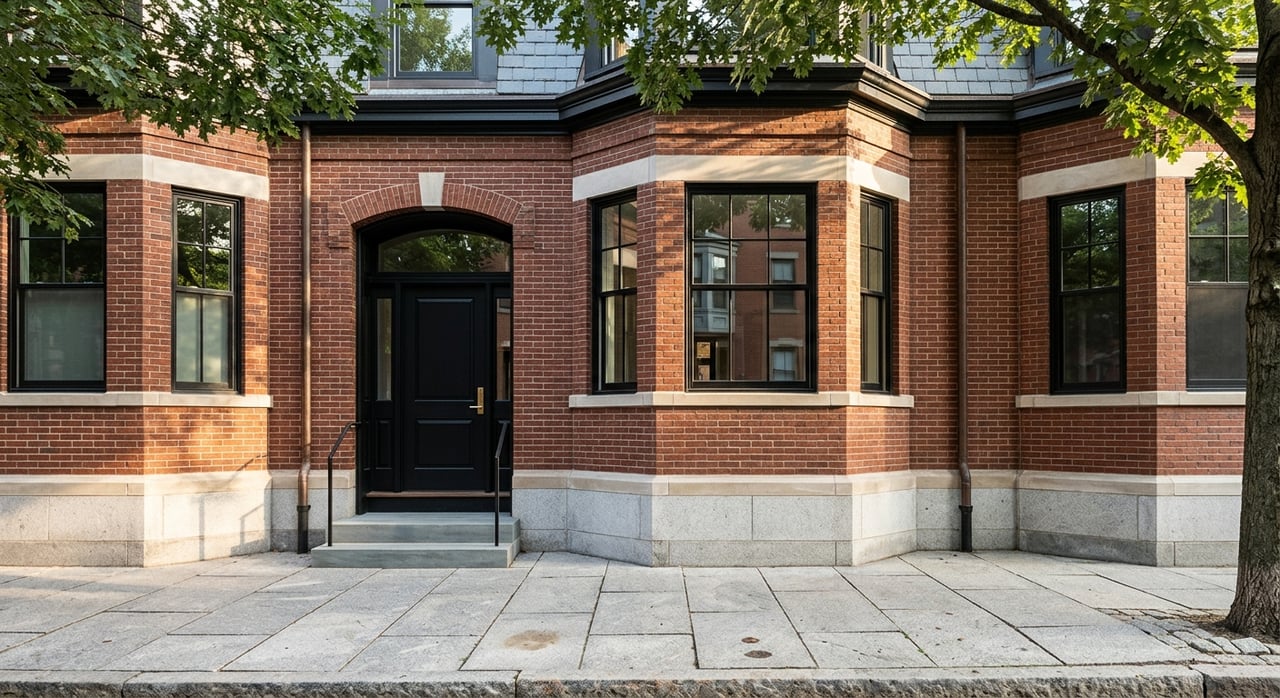
If you are exploring East Boston real estate, the first thing to know is that housing changes from one area to the next. City sources describe a mix that includes restored triple-deckers, older residential buildings, and newer development, with zoning and design standards intended to protect the scale and pedestrian character of residential streets.
That range can appeal to different buyers. You may find older homes with more traditional neighborhood fabric in one pocket and newer condo or mixed-use options closer to transit and the waterfront in another.
Recent market data also shows that East Boston remains an active part of the Boston market. Redfin’s East Boston housing market page reported a median sale price of $700,000 in February 2026, while Realtor.com reported a median asking price of $667,450 and 80 properties for sale in January 2026. Exact numbers vary by source, but both point to a market where buyers should be prepared for a meaningful price point and neighborhood-specific competition.
Jeffries Point and Gove Street
Jeffries Point is one of the best-known waterfront sections of East Boston. Boston planning documents describe this subarea as having varied building patterns, dense streetwalls, and limited side setbacks.
For buyers, that often translates into an urban, close-knit streetscape near the harbor. It is also worth noting that the low-lying Gove Street area is identified in planning materials as vulnerable to flooding, which is an important practical factor to review when comparing specific properties.
Eagle Hill
Eagle Hill is more strongly defined by residential housing patterns. Planning materials note that row houses and detached or semi-attached three-deckers are common here, and older housing forms remain an important part of East Boston’s neighborhood fabric.
If you like classic Boston housing stock, Eagle Hill may feel especially appealing. The housing style here can offer a more established residential character while still keeping you connected to the rest of East Boston.
Orient Heights
Orient Heights has a different housing profile from the denser southern parts of the neighborhood. Planning documents note that it includes East Boston’s only single-family zoning subdistrict, along with some two-family areas, and that redevelopment has also added townhomes and mid-rise buildings.
That mix gives buyers more variety in how they approach the neighborhood. Depending on the property, you may find options that feel more traditional and low-scale, along with newer residential formats closer to major transit routes.
Newer Development and Mixed Inventory
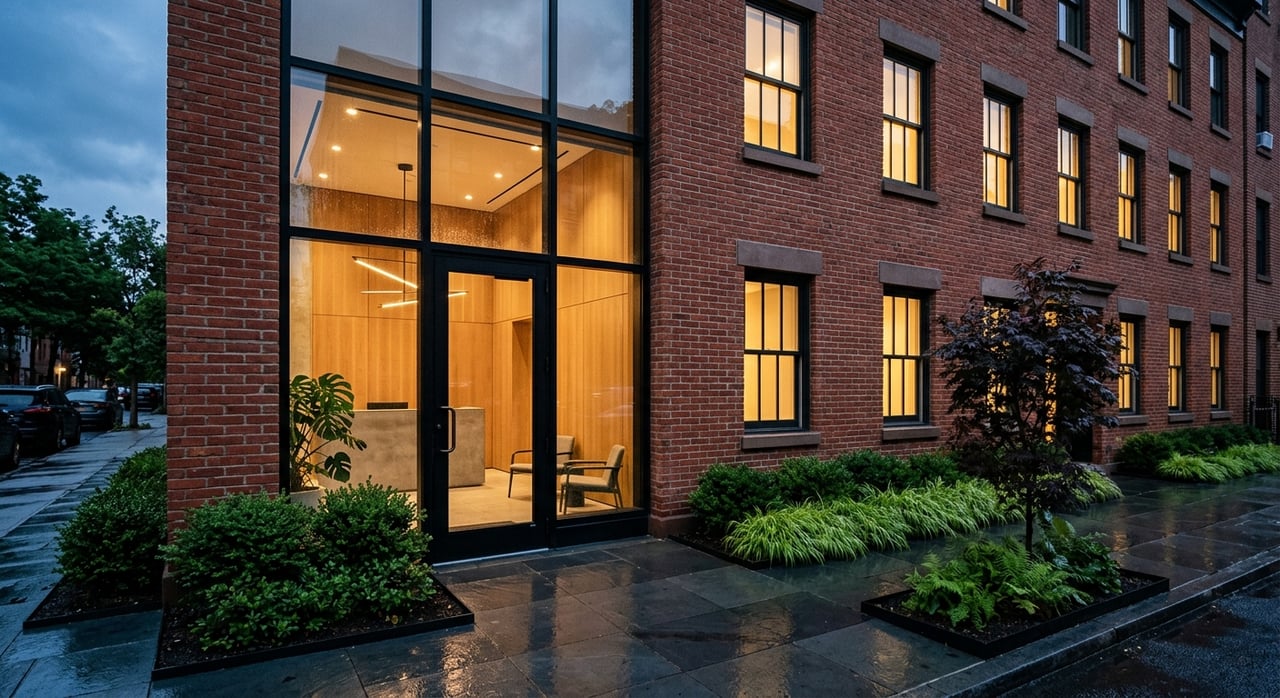
East Boston also has newer housing on the waterfront and in redevelopment areas. Boston sources have highlighted projects such as Harbor125 and Harborwalk Residences, which combined deeply affordable apartments with market-rate and middle-income condominiums, while The Aileron offered affordable homeownership condos in 2024.
For buyers, this points to a neighborhood with both legacy housing stock and newer inventory. That can be helpful if you are balancing style, condition, price point, and access to waterfront or transit-oriented locations.
East Boston Dining Scene
East Boston’s food scene is one of its biggest everyday draws. Rather than centering on one single restaurant strip, dining is spread across commercial squares and neighborhood corridors, especially around Maverick Square, Central Square, and other active nodes.
That pattern gives the neighborhood a more local feel. You are not limited to one destination block, and different parts of East Boston offer their own mix of restaurants and casual spots.
According to Boston planning materials, Maverick Square and Central Square serve as the main commercial areas. East Boston Main Streets’ Taste of Eastie event has also showcased nearly 30 restaurants spanning Italian, Latin American, Asian, and American cuisine, reinforcing how broad the dining mix is.
Examples cited by BU Today’s East Boston overview include Santarpio's Pizza, Oliveira's Steak House, Mario's, Rincon Limeño, Taqueria Jalisco, New Saigon, MIDA, and The Tall Ship. Taken together, those examples reflect a neighborhood where long-established local favorites sit alongside newer waterfront dining options.
Waterfront and Outdoor Spaces
If the harbor is part of what draws you to East Boston, the neighborhood delivers more than just views. Plan East Boston notes that the study area fronts more than 12 miles of coastline and includes Boston’s last remaining salt marsh.
That waterfront setting shapes daily life in a real way. It gives East Boston access to parks, walking routes, beaches, and natural areas that stand out even within the wider Boston area.
Piers Park and Piers Park II
Piers Park is one of East Boston’s signature open spaces. Massport describes it as an 11-acre public park with skyline views, and Piers Park II opened in 2023 on the East Boston waterfront.
For residents, this is more than a scenic stop. It is a major amenity that adds outdoor space right along the harbor and helps define the neighborhood’s appeal for people who want both city access and water views.
Constitution Beach and Belle Isle Marsh
Constitution Beach offers a different kind of waterfront experience. Massport describes it as a transit-friendly state park with swimming, athletic fields, courts, a bathhouse, a concession stand, and a playground, with a playground upgrade completed in 2025.
Belle Isle Marsh adds another layer to East Boston’s outdoor network. Along with Constitution Beach, it helps show that East Boston’s waterfront is not just built-up harbor edge. It also includes natural and recreational spaces that support walking, relaxing, and time outdoors.
East Boston Greenway
The East Boston Greenway is another major neighborhood asset, especially if you value walking or biking. Boston’s Green Links program says it offers three miles of path through parks, beaches, and marshes.
The City also notes that the Mary Ellen Welch Greenway connection between Jeffries Point Waterfront and Constitution Beach is being improved to address chronic flooding, lighting, and landscape conditions. That kind of public investment matters if you are thinking about daily usability, not just weekend recreation.
Transit and Commuting in East Boston
Transit is one of East Boston’s biggest practical advantages. If you work downtown, travel often, or simply want options beyond driving, this neighborhood offers a strong mix of connections.
According to Massport’s public transportation information for Logan, Boston Logan is served by the MBTA Blue Line, the Silver Line 1, and ferry service. The Blue Line connects directly to downtown, and airport access includes Airport Station with free shuttle connections to the terminals.
Boston planning materials also note that East Boston is connected by the Callahan, Ted Williams, and Sumner Tunnels, the Blue Line, MBTA ferries, and surface roads. On a neighborhood level, Maverick, Airport, Wood Island, Orient Heights, and Suffolk Downs stations anchor different parts of East Boston.
That means convenience can vary a lot by address. If you are near Maverick Square or another major node, you may have a simpler walk to rapid transit. If you are farther inland or farther north, your routine may depend more on buses, station access, or driving connections.
What Buyers and Sellers Should Keep in Mind
East Boston is not a one-note neighborhood, and that is part of its appeal. Buyers should look closely at how each micro-area lines up with their priorities, whether that means waterfront access, transit, older housing stock, or newer development.
Sellers can also benefit from that same neighborhood specificity. A home in Jeffries Point, Eagle Hill, or Orient Heights may attract interest for different reasons, so positioning, pricing, and marketing should reflect the property’s exact location and strengths.
If you are weighing East Boston against other Boston neighborhoods, it helps to have a local strategy instead of relying on broad assumptions. With a neighborhood this varied, block-by-block context matters.
Whether you are buying your first condo, selling a multifamily property, or comparing East Boston with other waterfront and transit-connected areas in Greater Boston, working with a local advisor can save time and sharpen your decision-making. If you want tailored guidance, connect with John Dolan for a consultation or to get your instant home valuation.
FAQs
What types of homes are common in East Boston?
- East Boston includes a mix of restored triple-deckers, row houses, detached or semi-attached homes, newer townhomes, mid-rise buildings, and waterfront condo developments, depending on the specific area.
What is the East Boston housing market like?
- Recent reports cited in this guide showed a median sale price of $700,000 in February 2026 and a median asking price of $667,450 in January 2026, indicating a still-active market with price points that vary by source and property type.
Where are the main dining areas in East Boston?
- Maverick Square and Central Square are identified by city planning materials as the main commercial areas, while Day Square and the Bennington Street corridor also support neighborhood-scale dining and retail.
What parks and waterfront spaces does East Boston offer?
- East Boston features Piers Park, Piers Park II, Constitution Beach, Belle Isle Marsh, the East Boston Greenway, and smaller natural areas such as Condor Street Urban Wild.
How do you commute from East Boston to downtown Boston?
- East Boston is served by the MBTA Blue Line, ferry service, major road tunnels, and airport-related transit connections, with access depending in part on how close your home is to stations such as Maverick, Airport, Wood Island, Orient Heights, or Suffolk Downs.
What should you consider before buying in Jeffries Point or Gove Street?
- In addition to waterfront access and dense urban streetscapes, Boston planning documents note that the low-lying Gove Street area is vulnerable to flooding, so property-specific due diligence is important.