Staring down your first small multifamily and trying to decide between Medford and East Boston? You are not alone. Both neighborhoods offer strong rent demand and transit access, but they feel different once you pencil out prices, unit mix, and local rules. In this guide, you will compare key numbers, learn how financing can shape your strategy, and get a checklist that keeps you on track from offer to closing. Let’s dive in.
Medford vs East Boston snapshot
Prices and deal sizes
Medford’s recent 3‑family sales commonly fall between about $800,000 and $2.2 million, depending on location, condition, and unit mix. You will see starter fixers on the lower end, mid‑market buy‑and‑holds around $1.0 to $1.6 million, and premium near‑Tufts assets above that. Inside Boston, East Boston triples often command comparable or higher per‑unit pricing in prime pockets. Use Eastie comps as a soft ceiling when you frame Medford value.
Rents and demand
Average asking rents in both markets land around the low $3,000s per month. Recent index updates show Medford averaging about $3,158 per month, and East Boston about $3,159 per month, according to Medford rent trends and East Boston rent trends. Expect one‑bedrooms to run lower and two‑ or three‑bedrooms to run higher. Unit mix matters more than the city average when you model your pro forma.
Housing stock and tenants
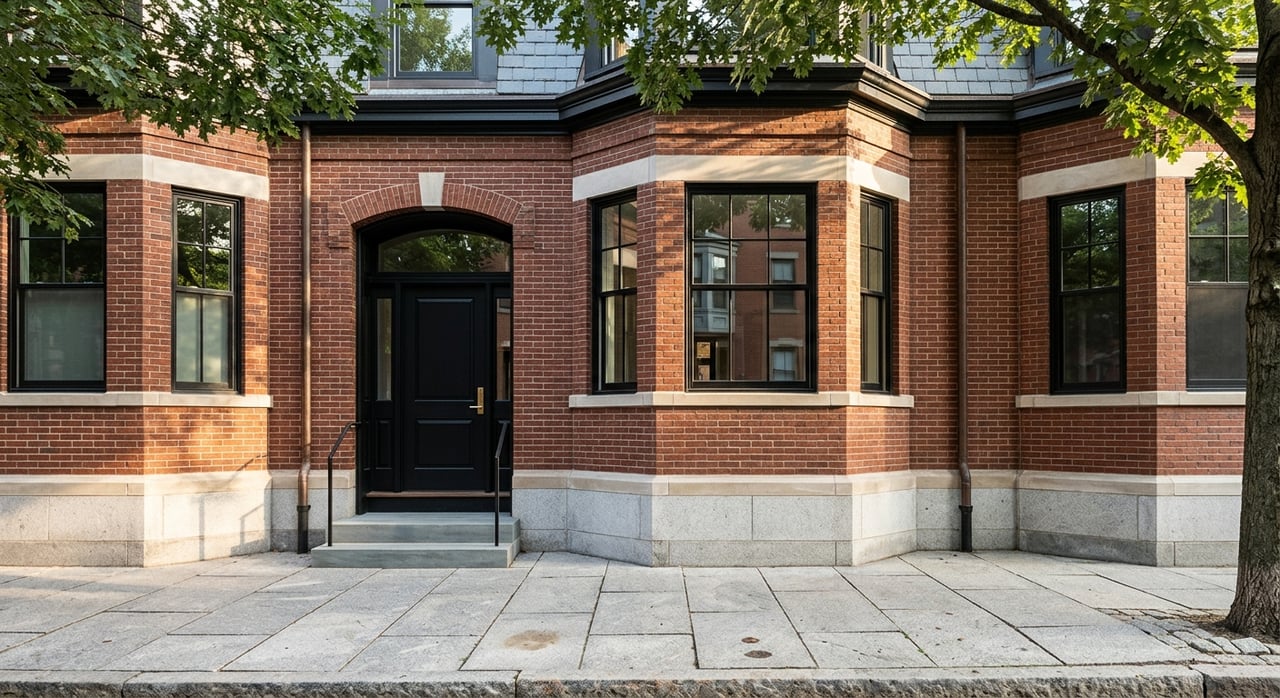
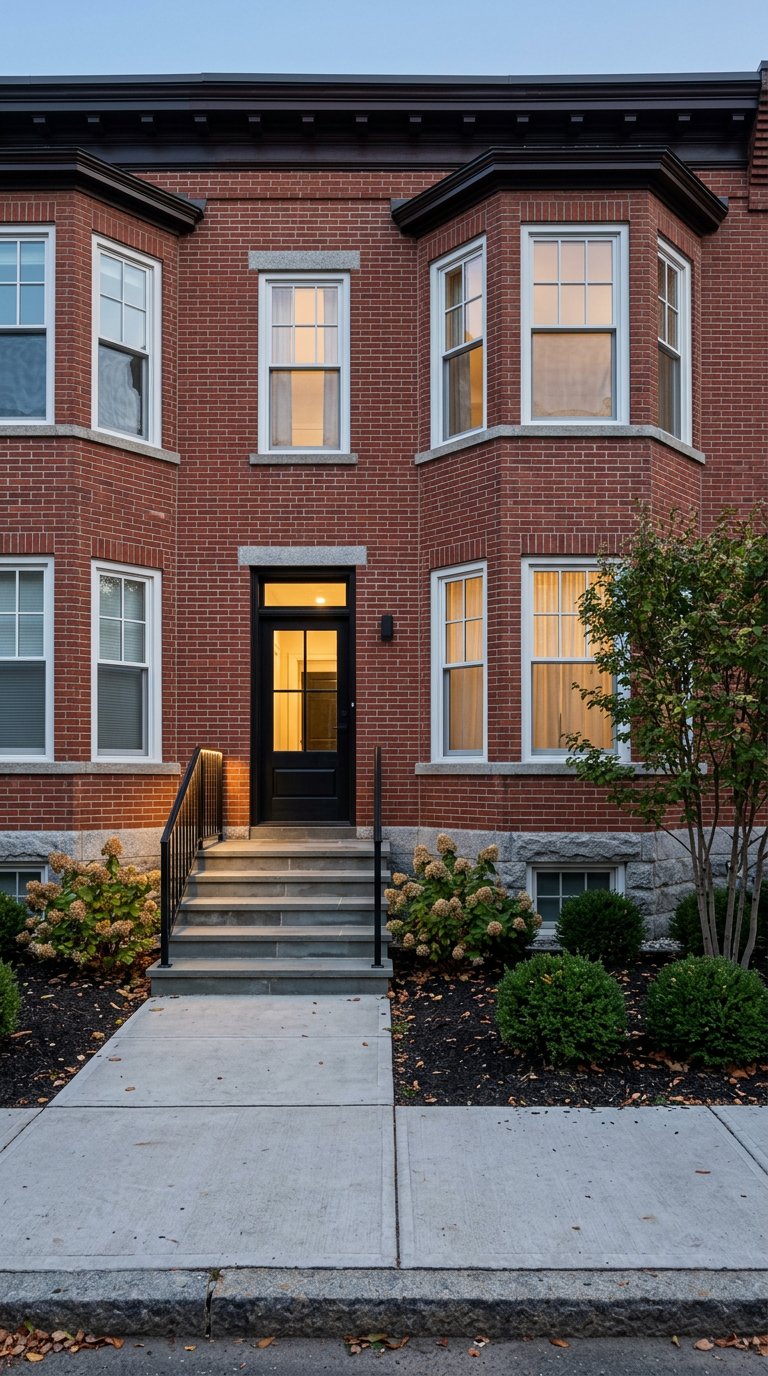
Medford’s small‑multifamily inventory skews older wood‑frame 2‑ and 3‑families, many built before 1940, with a strong cluster near Tufts. Layouts often include 2‑ or 3‑bedroom units, which attract students and young professionals. You can verify the age profile and stock type in Medford’s housing data. East Boston is denser, with a larger share of multi‑unit buildings and a high renter concentration, which can tighten cap rates in some pockets.
Transit drivers
Medford benefits from the Green Line Extension stations at Medford/Tufts, Ball Square, and Magoun Square. The GLX Medford branch overview highlights why proximity to these stops supports long‑term rental demand and reduces turnover friction. East Boston draws from the Blue Line, Logan Airport access, and waterfront development, which sustain steady renter interest.
Which market fits your plan?
If you plan to house‑hack
Owner‑occupant financing opens doors in Medford, where the owner versus renter mix is more balanced than inner‑city Boston. FHA can allow as little as about 3.5 percent down on 2–4 units for owner‑occupants, but 3–4 unit deals may face self‑sufficiency and reserve rules. Start with official guidance and a lender who understands program details by reviewing HUD’s program resources. Fannie Mae’s late‑2023 change created a conventional 5 percent down path for owner‑occupied 2–4 unit purchases, which can be a game changer for first‑timers. See an industry summary of this update in Fannie Mae’s 5 percent down option.
If you want a simpler hold
Pure investors often prefer predictability over turnover. East Boston has strong transit‑oriented demand but also city registration and inspection rules that you must follow. Review Boston’s requirements in this overview of becoming a landlord in Boston. Medford’s rental rules differ, so plan to confirm registration and inspectional steps locally before you write an offer.
How to size your first deal
Price bands explained
- Starter or value‑add 3‑family: Below $1.0M. Good for buyers who can manage a rehab and stabilize rents over 6–12 months.
- Core buy‑and‑hold 3‑family: $1.0M to $1.6M. Often market‑rate with modest updates and cleaner rent rolls.
- Premium near Tufts or GLX: $1.6M to $2.3M+. Modernized, low‑vacancy assets that may pencil thinner on cash flow but trade on stability and location.
Unit mix strategy
- Three 3‑bedroom units near Tufts can push higher gross rent, but they usually mean more active management and seasonal turnover.
- A mix of 1‑ and 2‑bedroom units often attracts professionals and small households, which can reduce vacancy risk and turnover costs.
- There is no single best layout. Match your mix to your financing and your appetite for management.
Underwriting checklist for Medford 3‑families
- Pull 6–12 months of local 2‑ and 3‑family comps on the same block or within a tight radius.
- Get the current rent roll and trailing 12 months of income and expenses, including utilities and vacancy.
- Order a full inspection and contractor estimates for heating, electrical, roof, foundation, siding, and any lead paint items.
- Confirm zoning and legal use with the city. Start at Medford’s official site and the Inspectional Services or Planning pages.
- Verify the current fiscal year residential tax rate and the parcel’s tax history. City discussions and budgets move. Review recent updates and plan for increases by checking Medford tax rate discussions.
- Outline financing paths early. Compare FHA owner‑occupant options against conventional or investor loans by reviewing HUD’s program resources and the conventional update noted in Fannie Mae’s 5 percent down option.
- Map local rental rules. Boston has a known registration and inspection cadence, outlined in this summary of becoming a landlord in Boston. Confirm Medford’s requirements directly with city departments.
Risks to watch in Medford
- Condition risk on older triple‑deckers. Boilers, roofs, electrical capacity, and potential lead paint can add meaningful cost. Budget with quotes, not estimates.
- Tenant mix alignment. Student‑oriented units can achieve strong gross rent but need proactive turnover planning. Professional or family‑oriented layouts may trade some top‑line rent for stability.
- Property taxes. Rates and assessments can shift with city budgets. Test your pro forma against a 10 to 20 percent tax increase and review recent Medford tax rate discussions.
- Zoning and policy changes. MBTA Communities planning may shape future by‑right multifamily near transit. Confirm how any proposal touches your parcel before you commit.
Long‑term upside in Medford
- Transit gains. The Green Line Extension improves access for renters and supports long‑run value near stations.
- Relative value. Medford often trades below nearby Cambridge and Somerville on a per‑door basis, which can leave room for value‑add plays as regional demand persists.
Final thoughts and next steps
If you want lower entry pricing with transit gains and a mix of tenant profiles, Medford is a compelling first move. If you value strong inner‑city renter demand and do not mind a tighter regulatory framework, East Boston can work well. The right answer comes from your financing, unit mix, and tolerance for renovations and turnover. When you are ready to model a target deal and walk blocks that fit your plan, schedule a consultation with John Dolan. We will map prices and rents to your financing and move fast when the right asset hits the market.
FAQs
What are typical Medford 3‑family prices today?
- Recent 3‑family sales often range from about $800,000 for value‑add opportunities to $1.0 to $1.6 million for mid‑market assets, with premium near‑Tufts or GLX locations reaching $1.6 to $2.2 million or more.
How do Medford and East Boston rents compare?
- Recent indexes show both markets averaging around $3,100 per month. See Medford rent trends and East Boston rent trends for current snapshots.
Is Medford good for house‑hacking a 2–4 unit?
- Yes, especially with owner‑occupant programs. FHA can allow about 3.5 percent down on 2–4 units and Fannie Mae introduced a 5 percent down option in late 2023 for owner‑occupants. Review HUD’s program resources and this overview of Fannie Mae’s 5 percent down option.
What rental rules apply in East Boston versus Medford?
- Boston enforces rental registration and inspections. Start with this summary of becoming a landlord in Boston. Medford’s rules differ, so confirm steps with local Inspectional Services before you buy.
How does the Green Line Extension impact Medford investments?
- GLX stations at Medford/Tufts, Ball Square, and Magoun Square enhance access and support rental demand near the stops. Review the GLX Medford branch overview when weighing locations.
What should I confirm before offering on a Medford 3‑family?
- Verify zoning and legal use with Medford’s official site, review tax history and rate scenarios using recent Medford tax rate discussions, get a full inspection with contractor quotes, and reconcile the rent roll with trailing 12 months income and expenses.