Thinking about moving to Boston’s Seaport District but not sure what daily life really feels like? You’re not alone. The waterfront views and glass towers are striking, yet the routines, commute, and building details matter most once you live here. This guide walks you through everyday life in the Seaport so you can decide if it fits your goals and know what to look for in a condo. Let’s dive in.
Seaport daily rhythm
The Seaport sits along the Fort Point Channel and Boston Harbor, with a mix of modern residential towers, office space, hotels, and cultural spots. Daytime brings office workers and convention visitors, so cafés and sidewalks stay lively. Evenings and weekends shift to restaurants, bars, and events, while late nights can feel quieter than older residential neighborhoods. Summer is the busiest season with harbor activities and outdoor programming, while winter still offers great views and strong indoor amenities.
Active development shapes daily life. You’ll see new projects rising, street work, and evolving retail. If you like the energy of a growing district, that pace can be a plus. If you prefer a historic, slower-changing area, you’ll want to factor that into your decision.
Walkability and waterfront access
Within the core of the neighborhood, you can walk to most daily needs. Sidewalks are wide, blocks are short, and there are plenty of food and fitness options in a compact area. The Harborwalk is a standout feature, giving you an off-street route for jogging, biking, or a sunset stroll along the water.
Parks and open spaces such as Fan Pier Park and Seaport Common add green pockets for exercise, picnics, and public events. You’ll also find seasonal outdoor fitness classes and community activities tied to these spaces. Bluebikes stations and a growing network of bike lanes support quick trips within the district and to nearby neighborhoods.
Transit and commuting
The Silver Line runs through the Seaport and links you to South Station and Logan Airport, with stops around Courthouse and World Trade Center. Service is frequent, though timing can vary. South Station is also close for the Red Line and regional commuter rail connections.
If you drive, on-street parking is limited and garages are common in residential buildings. Garage parking is a premium amenity, and many residents choose to go car-free because rideshare, bikes, and transit cover most trips. Ferries and water taxis operate on the harbor seasonally or year-round depending on the operator, which can add a scenic option for select routes.
Pro tip: If you’re comparing buildings, look closely at each tower’s access to the closest Silver Line stop and the time it takes to reach South Station. That daily walk matters on cold, windy days.
Homes and buildings you’ll find
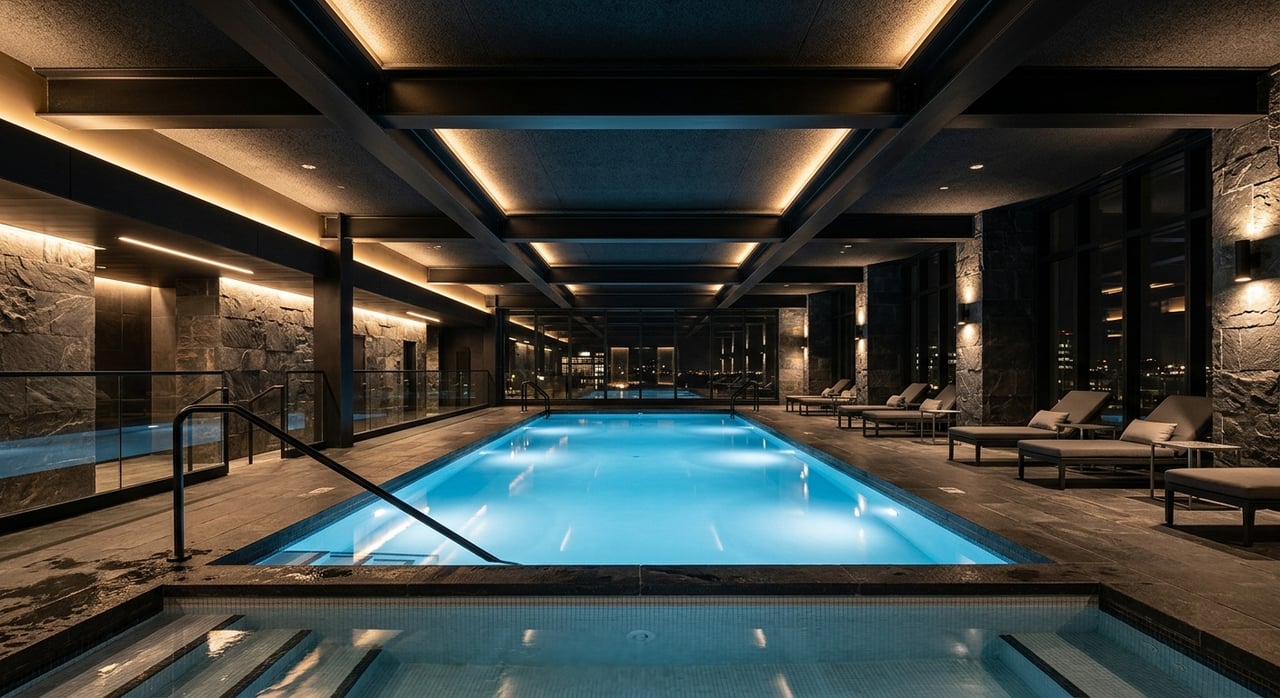
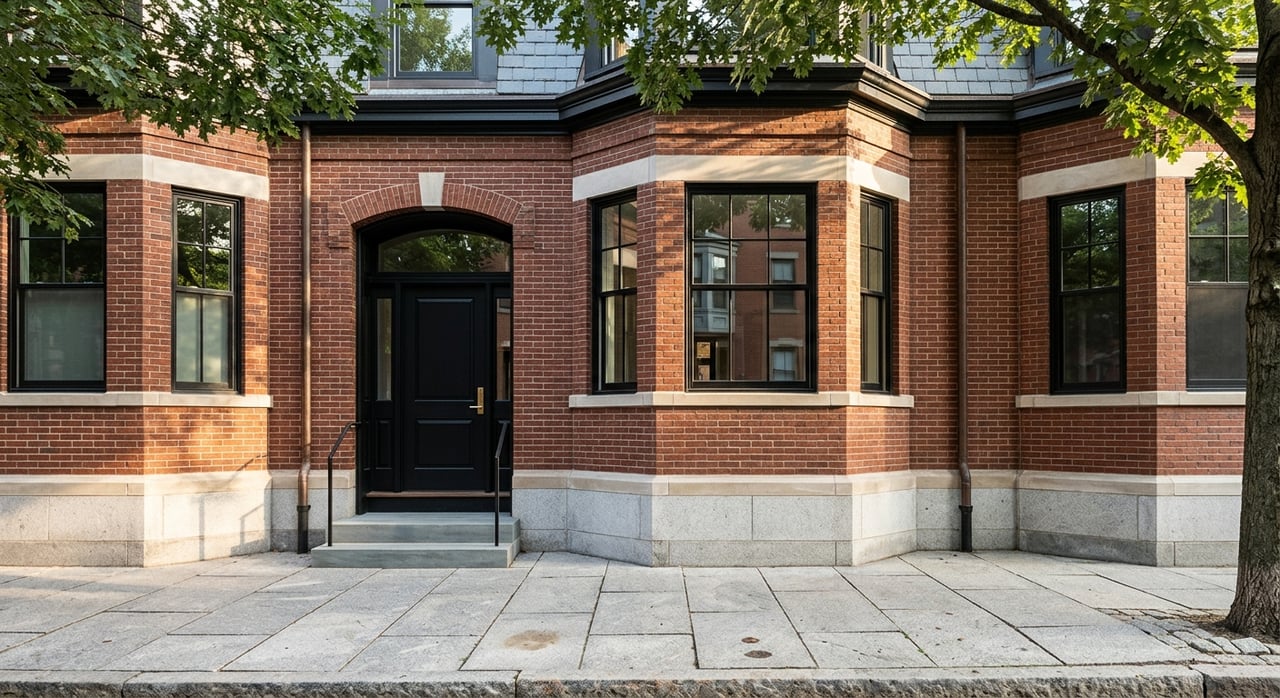
The Seaport’s housing is mostly newer construction with modern finishes and amenities. Luxury high-rise condominiums often include concierge service, fitness centers, lounges, and roof decks, with floor-to-ceiling windows that frame harbor or skyline views. Large rental buildings offer similar amenities if you want flexibility before buying. On the Fort Point edge, loft conversions and smaller brick buildings deliver larger ceilings and an industrial-chic look.
Family-sized homes and townhouses are limited in the Seaport proper. If that is your priority, you may compare options in nearby South Boston or East Boston while keeping your Seaport lifestyle for work and leisure.
What it costs to own
Most condo owners budget for monthly HOA fees, utilities, and parking if they keep a car. Newer luxury buildings can have higher HOA fees to support amenities and staffing. Property taxes follow Boston’s rates and depend on assessed value. Because inventory and pricing move quickly, it helps to have current building-level insights before you make an offer.
Luxury condo buyer checklist
Use this quick list to compare buildings and units:
- HOA fees and what they cover, including building staff and amenities.
- Parking type, availability, and cost, plus guest parking options.
- Rental and short-term rental rules that affect flexibility and resale.
- Building reserve funds and any recent or pending special assessments.
- Flood risk factors, building floodproofing, and insurance requirements.
- Unit orientation, view corridors, and potential future view obstructions.
- Noise insulation and exposure to nearby construction or event venues.
- Recent resale activity and days on market in the building.
Daily conveniences and lifestyle
You’ll find a full range of dining, from casual seafood to chef-driven restaurants and hotel dining rooms. Grocery and specialty food options are available, though some residents visit nearby neighborhoods for broader retail variety. The Institute of Contemporary Art and programming tied to the Boston Convention and Exhibition Center bring steady cultural energy. The Lawn on D and summer events add free or low-cost fun to your calendar.
Fitness is easy here. Boutique studios for spin, Pilates, yoga, and strength training are plentiful, and many condo buildings include gyms and wellness spaces. Outdoor classes and the Harborwalk keep your routine fresh in warmer months.
Public schools follow Boston Public Schools assignments. Families often compare the Seaport to nearby areas known for more established school options and playground networks. Daycare and private school choices exist in and near downtown, and local availability can change, so plan ahead.
Major medical centers are a short trip away across the city, which helps for specialty care. As in any urban district, you’ll want to practice routine precautions and use building security features. Some developments also have private security in addition to city services.
Climate and resilience
The Seaport is low-lying and recognized as vulnerable to coastal flooding and sea-level rise. The City of Boston and local agencies are working on climate resilience, which can include raised promenades, flood barriers, and other infrastructure. You may notice related construction or public works projects near the waterfront.
If you are buying, ask targeted questions about a building’s elevation, floodproofing, emergency plans, and insurance. Understanding these details can help you compare operating costs and peace of mind.
Is the Seaport a fit for you?
Pros
- Waterfront access and iconic views.
- High-end buildings with modern amenities and services.
- Strong walkability within the district and quick links to South Station and Logan.
- Dense dining, fitness, and cultural options.
Tradeoffs
- Higher housing and parking costs compared with many neighborhoods.
- Ongoing construction and periodic convention traffic.
- Fewer tree-lined residential streets and long-established retail strips.
- Coastal flood risk that requires due diligence and building-level review.
A day in the Seaport
Start with a jog along the Harborwalk and a coffee at a neighborhood café. Walk to a boutique fitness class or your building’s gym, then commute by Silver Line or bike. After work, meet friends at a waterfront restaurant, visit the Institute of Contemporary Art for an exhibit, or catch an outdoor event on Seaport Common. End the night with a quiet harbor view from your balcony or roof deck.
Next steps
If the Seaport matches your wish list, the right building and unit details will make all the difference. You deserve a guide who knows release timelines, HOA nuances, and developer histories at a building-by-building level. When you are ready to compare options, schedule tours, or plan a purchase strategy, connect with John Dolan for tailored guidance and a streamlined search.
FAQs
How does commuting from the Seaport to Logan Airport work?
- The Silver Line offers a direct connection to Logan, and water taxis provide an additional harbor option depending on season and operator.
Do you need a car to live in the Seaport?
- Many residents go car-free thanks to walkability, the Silver Line, South Station access, bikes, and rideshares; garage parking is a premium if you do own a car.
What should condo buyers know about HOA fees in the Seaport?
- Fees often support concierge, security, fitness centers, and shared spaces; review reserves and any special assessments to understand true monthly costs.
How significant is flood risk in the Seaport?
- The area is low-lying with recognized coastal flood risk; confirm a building’s floodproofing, elevation, and insurance requirements and learn about city resilience plans.
Are single-family homes common in the Seaport?
- Not within the core of the district; you’ll find more townhouses and single-family options in nearby neighborhoods like South Boston and East Boston.
What parks and outdoor spaces define Seaport living?
- Fan Pier Park, Seaport Common, and the Harborwalk anchor daily recreation, with seasonal programming and outdoor fitness adding variety.