If you picture Boston life as constant parking stress, Back Bay may surprise you. In this part of the city, many of your daily errands, commutes, and social plans can happen on foot, by train, or by bike instead of behind the wheel. If you are wondering whether living here without a car would feel practical or limiting, this guide will show you what the day-to-day reality looks like. Let’s dive in.
Why Back Bay Supports Car-Free Living
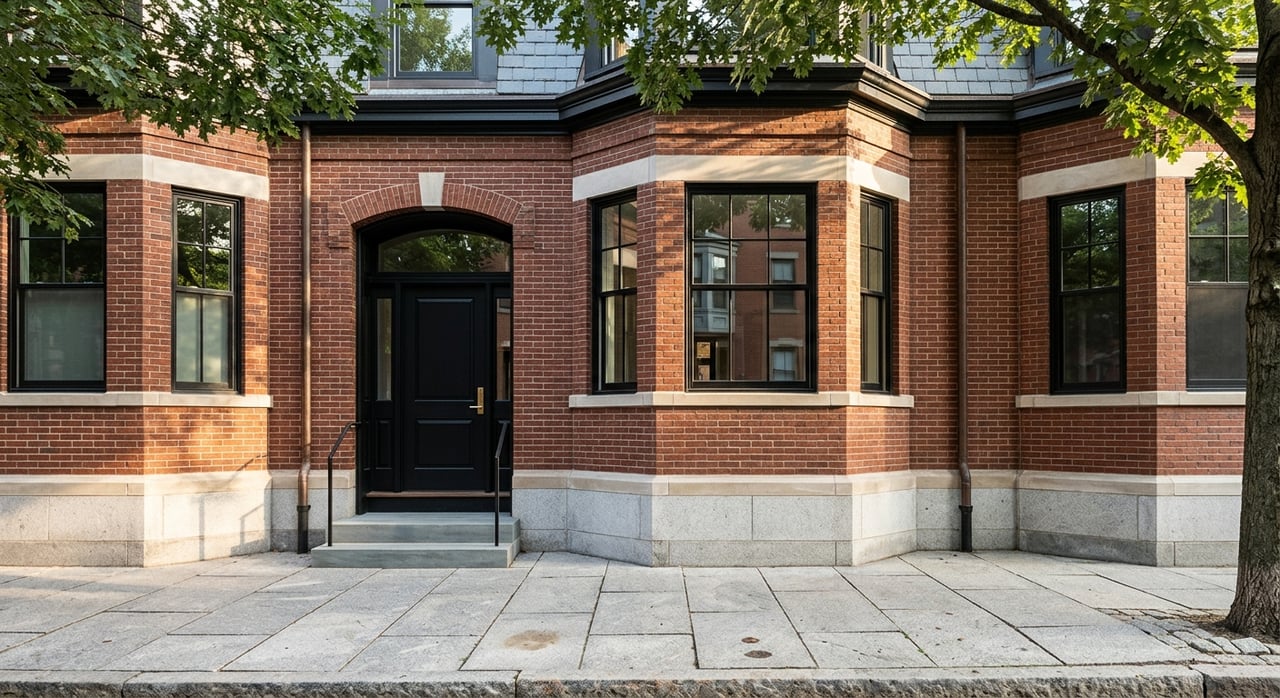
Back Bay works well for a car-free routine because so much is packed into a compact area. The neighborhood’s main corridors include Newbury Street, Boylston Street, and Commonwealth Avenue, and the City of Boston describes Back Bay as a protected historic district with a dense mix of shops, restaurants, and landmark destinations.
That mix matters more than people often realize. When places like Prudential Center, Trinity Church, the John Hancock Tower, and the Boston Public Library are all part of your regular orbit, your day does not need to revolve around driving from one spread-out destination to another.
In practical terms, you can often stack multiple stops into one trip. Work, lunch, errands, fitness, and a library visit can fit into the same walkable or transit-connected routine.
Daily Life Feels Walk-First
For many residents, walking is not a backup plan in Back Bay. It is the default way to move through the neighborhood.
Newbury Street is a strong example. The City of Boston describes it as a mile-long, eight-block stretch filled with shops, salons, galleries, and restaurants, and the street even becomes car-free on selected Sundays in the summer through Open Newbury.
That pedestrian rhythm extends beyond one corridor. Back Bay’s blend of retail, dining, civic spaces, and historic streets makes it easy to build your routine around short walks instead of car trips.
If you live nearby, a normal day may look something like this:
- Walk to coffee or breakfast
- Head to the T for work
- Stop at the library or gym on the way home
- Pick up a few things on Boylston or Newbury
- Meet friends for dinner without thinking about parking
That is the real appeal of car-free living here. It is less about giving something up and more about simplifying how you move through the day.
Transit Is the Biggest Advantage
If walking makes Back Bay convenient, transit is what makes it flexible. The neighborhood is anchored by Back Bay Station, which the MBTA maps as an Orange Line stop with bus and Commuter Rail connections.
You are also close to several Green Line stops, including Arlington, Copley, Hynes Convention Center, and Prudential. That gives you multiple options depending on where you are headed and how you prefer to travel.
For a lot of buyers, this is the difference between a neighborhood that is merely walkable and one that is truly car-light. You are not just staying local. You can move around Boston and beyond without needing your own vehicle.
Back Bay Station Expands Your Reach
Back Bay Station adds a regional layer that many neighborhoods cannot match. In addition to subway access, it connects to Commuter Rail service, and the city also notes that the station is served by Amtrak.
The MBTA’s Commuter Rail beginner guide says the system connects eastern Massachusetts and Rhode Island to downtown Boston across 12 routes and 137 stops. Service at some stops can begin as early as 5 AM and end as late as 1 AM.
That broader network can be a major quality-of-life upgrade. If your work, family visits, or weekend plans take you outside central Boston, you may still be able to stay car-free more often than you expect.
The Station Experience Is More Usable
Not every rail stop feels easy to rely on, but Back Bay Station has features that make regular use simpler. According to the MBTA, the station includes ticket windows, staffed hours, and public restrooms.
That may sound small, but it matters in daily life. A well-served station tends to feel more practical for recurring commuting and occasional longer trips.
Airport Travel Is Easier Than You Might Think
One common concern about living without a car is airport access. In Back Bay, that issue is more manageable than it is in many neighborhoods.
Boston.gov says Massport offers Logan Express service from Back Bay to Logan Airport, and Logan Express provides direct rides to and from all Boston Logan terminals. If you travel for work or pleasure, that can remove one of the biggest reasons people feel they need a car in the city.
Instead of planning around long-term parking or asking for rides, you have a direct transportation option built into your neighborhood routine. For frequent travelers, that convenience can make a real difference.
Biking Is Becoming More Practical
Back Bay is not just a walking and transit neighborhood. Biking is also becoming easier thanks to infrastructure improvements around the area.
The City of Boston says Berkeley Street now has a separated bike lane that links Tremont Street in the South End to Commonwealth Avenue in Back Bay. Boylston Street also has a separated bike lane between Massachusetts Avenue and Arlington Street.
The Dartmouth Street project is designed to create a direct, lower-stress connection between Copley Square and the Esplanade. For residents who want another option for short trips, that kind of network matters.
Bluebikes Adds Everyday Flexibility
Bluebikes can make biking feel less like a commitment and more like a tool. The system says it has more than 5,000 bikes and nearly 600 stations across Metro Boston, with one-way trips available between any two stations.
It also includes e-bikes with speeds up to 18 miles per hour. For a Back Bay resident, that opens up easy cross-neighborhood trips without the cost or hassle of owning a bike full time.
The city also notes that multiple Bluebikes stations sit on streets adjacent to Newbury Street. That gives you another practical layer of mobility when walking is a little too slow and transit is not the best fit.
You Can Still Live Car-Light, Not Car-Only
The most honest way to describe Back Bay is this: it supports living without a car, but it does not require it. Cars are still part of the neighborhood environment.
For example, Prudential Center includes direct access to I-90 and one of the area’s largest garages, with 3,600 parking spaces. That tells you something important about Back Bay. It is designed to work for both drivers and non-drivers.
For many people, that balance is ideal. You may not need to own a car, but you can still use rideshare, car share, or occasional rentals when a specific need comes up.
The Tradeoffs To Think Through
Car-free living in Back Bay can feel convenient, but it is not perfect for every household. The biggest question is whether your routine is mostly centered in Boston or whether you regularly need to travel farther afield on your own schedule.
A car may still feel useful if you often make suburban trips, need frequent airport rides at odd hours, or regularly haul large items. In those cases, the neighborhood can still support a car-light lifestyle, even if full car-free living feels less realistic.
For many buyers, that is the better frame. You do not need to ask whether you will never use a car again. You only need to ask whether you can rely on one much less often.
Who Back Bay Fits Best
Back Bay tends to work especially well for people who value access and efficiency in their daily routine. If you like the idea of stepping outside and having restaurants, transit, shopping, civic spaces, and services close at hand, this neighborhood checks a lot of boxes.
It can be a strong fit if you are:
- A buyer who works in Boston and wants an easier commute
- A first-time buyer focused on walkability and transit access
- A condo buyer who values an urban lifestyle over car ownership
- A frequent traveler who wants better airport access without driving
For buyers comparing Boston neighborhoods, this is one of the clearest examples of how location can change your lifestyle. In Back Bay, transportation becomes less about managing a car and more about choosing the most convenient option for each trip.
Why This Matters When You Buy
If you are shopping for a home in Back Bay, transportation should be part of your decision alongside layout, finishes, and price. A property in a neighborhood that supports walking, transit, and bike access may change your monthly costs, your daily schedule, and even how often you leave your immediate area.
That can be especially relevant if you are deciding between Back Bay and a more car-dependent part of Greater Boston. The value is not just in the address itself. It is in how much easier that address can make your everyday life.
The right home search should account for how you actually want to live. If a car-free or car-light routine is part of that vision, Back Bay deserves a close look.
If you are exploring Back Bay or comparing it with other Boston neighborhoods, John Dolan can help you find a home that fits the way you want to live.
FAQs
Is Back Bay Boston good for living without a car?
- Yes. Back Bay’s mix of walkable streets, MBTA access, nearby Green Line stops, Bluebikes, and airport connections makes it one of Boston’s more practical neighborhoods for a car-light or car-free lifestyle.
What transit options are available in Back Bay Boston?
- Back Bay Station serves the Orange Line, bus service, and Commuter Rail, and nearby stops include Arlington, Copley, Hynes Convention Center, and Prudential on the Green Line.
Can you get to Logan Airport from Back Bay without a car?
- Yes. Boston.gov says Massport offers Logan Express service from Back Bay, with direct rides to and from all Boston Logan terminals.
Is Back Bay Boston walkable for daily errands?
- Yes. The neighborhood’s compact layout, major corridors, and concentration of shops, dining, and civic destinations make walking a practical choice for many everyday needs.
Is biking realistic in Back Bay Boston?
- Yes. Separated bike lanes on streets including Berkeley and Boylston, along with Bluebikes access and nearby station availability, make biking an increasingly useful option for short trips.
Do you ever still need a car in Back Bay Boston?
- Sometimes. If you regularly travel to the suburbs, need odd-hour airport trips, or have hauling needs, occasional rideshare, car share, or rental use may still be helpful even if you do not own a car full time.