Selling a home in Medford can still move quickly, but quick does not mean effortless. Buyers are watching condition, pricing, and presentation more closely, especially in a market where some homes are still getting multiple offers while others need price drops to get traction. If you want a smoother sale, the goal is to prepare smart, focus your budget where it counts, and handle compliance early. Let’s dive in.
Understand the Medford market first
If you are preparing to sell, it helps to start with the local numbers. Over the three months ending May 2026, homes in Medford sold in about 21 days on average, received 4 offers on average, and had a median sale price of $851,990.
Those numbers show strong demand, but they do not tell the whole story. Medford’s median sale price was down 4.8% year over year, and 20% of homes had price drops. That means buyers are active, but they are also selective.
The broader Boston-area market supports the same message. In GBAR’s March 2026 territory report, single-family inventory sat at 1.3 months of supply, and homes sold at 99.7% of original list price received on average. In plain terms, the market is still favorable for sellers, but realistic pricing and move-in-ready presentation matter.
Focus on prep that buyers notice
You do not need to overhaul your home to make it more appealing. In most cases, a smooth sale comes from clean presentation, fewer distractions, and fewer obvious maintenance issues.
National staging data from 2025 found that 83% of buyers’ agents said staging makes it easier for buyers to visualize a property as a future home. The rooms staged most often were the living room, primary bedroom, and dining room. That makes a strong case for putting your time and budget into the areas buyers notice first.
Start with decluttering
Decluttering is one of the simplest ways to improve how your home feels in photos and in person. When rooms look open and easy to use, buyers can picture their own furniture and routines there.
Focus on visible surfaces and storage. Clear kitchen and bathroom counters, thin out packed closets, and remove extra furniture that makes a room feel smaller. If a room has too many items, it usually reads as less functional.
Refresh with paint and light repairs
Before listing, many real estate professionals most often recommend painting the entire home or at least one interior room. Fresh paint and patched walls can make a home feel cared for without the cost of a major remodel.
Walk through your home as if you were seeing it for the first time. Patch nail holes, touch up scuffs, fix loose hardware, replace burned-out bulbs, and address any small items that catch the eye. These details may feel minor to you, but buyers often use them to judge overall maintenance.
Improve curb appeal
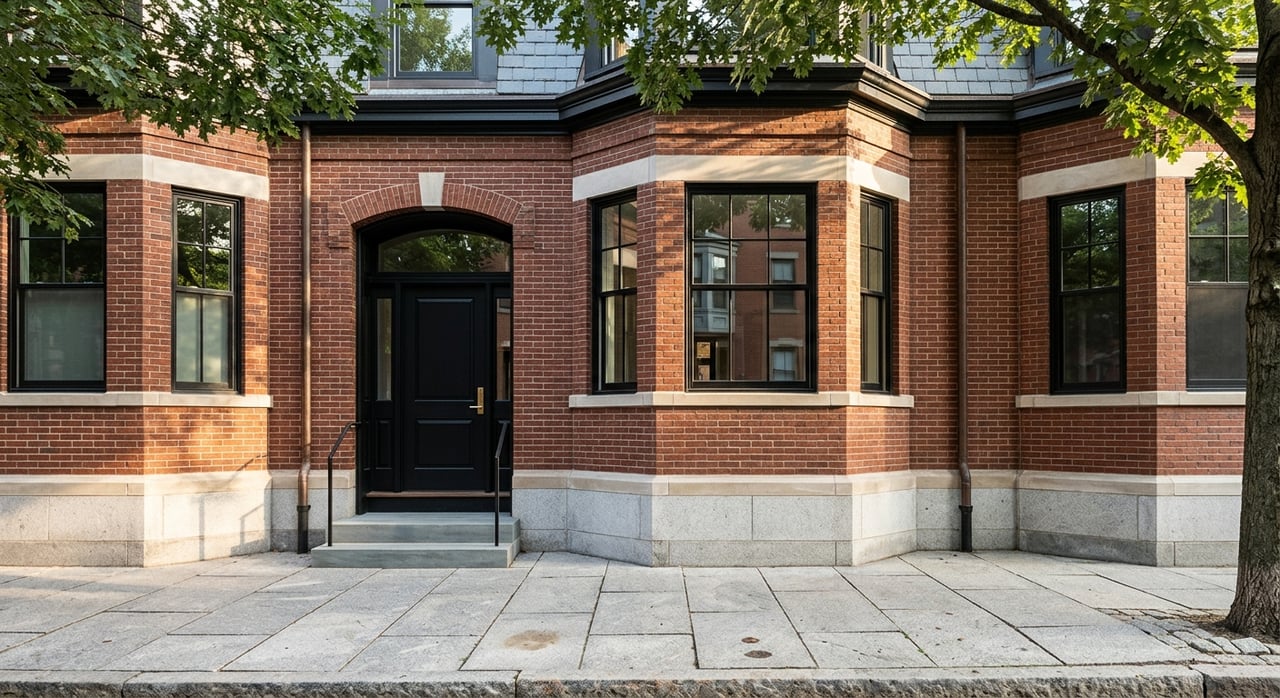
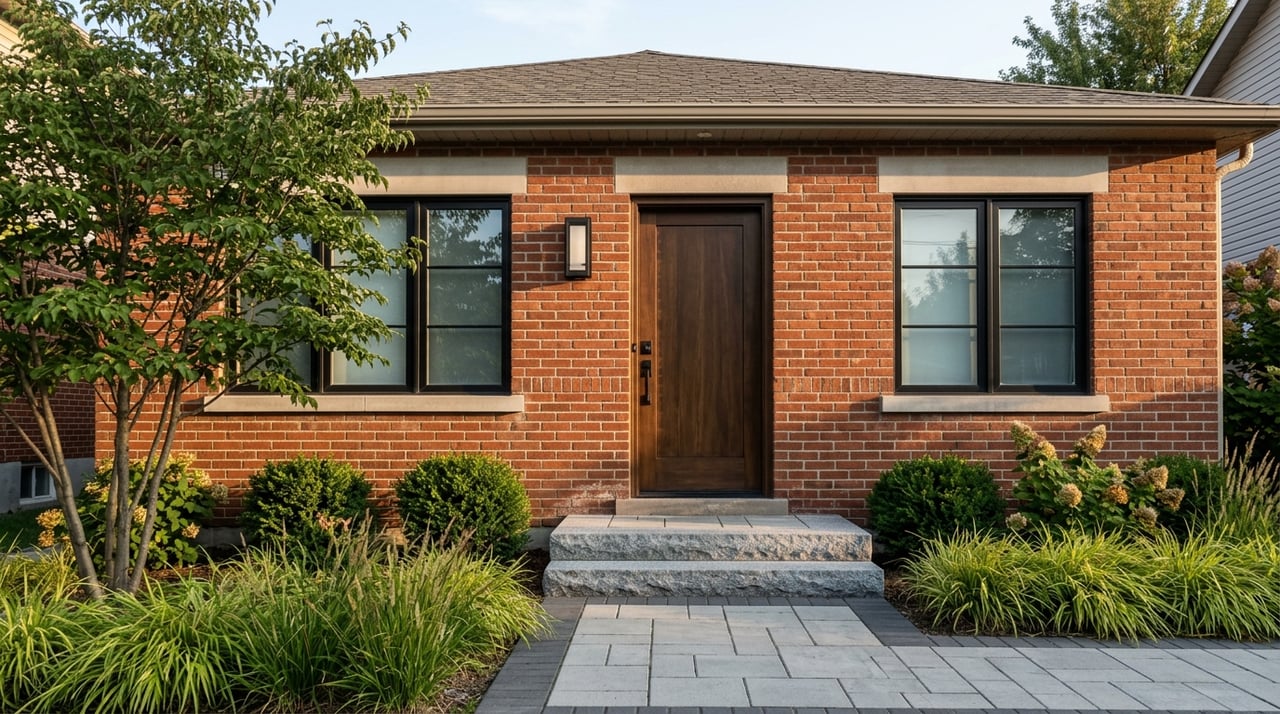
Your front entry sets the tone before a buyer ever steps inside. A tidy walkway, clean steps, trimmed landscaping, and a well-kept front door can immediately make the home feel more inviting.
Lower-cost exterior updates can go a long way. Clean the windows, sweep the entry, remove debris, and make sure the front door and hardware look presentable. If your home feels cared for from the street, buyers often arrive with a better first impression.
Highlight simple energy-efficiency cues
Buyer questions about energy efficiency have become more common. In 2025 survey data, windows, doors, and siding ranked among the most important green features professionals cited.
That does not mean you need a major energy upgrade before selling. It does mean that basic maintenance like caulking gaps, adding weatherstripping, and making sure windows and doors appear well maintained can support buyer confidence.
Skip major projects unless they are necessary
Many sellers wonder if they should renovate before listing. In most cases, expensive discretionary projects are not the best path if your priority is a smoother sale and better return on prep dollars.
Recent remodeling data suggests modest cosmetic improvements often make more sense than large remodels. Painting, front-door updates, and closet improvements can offer stronger cost recovery than major, personalized renovations.
If your home has a true functional issue, that is a different conversation. But if you are deciding between a full remodel and a clean, updated, well-presented home, the second option is often the more practical move.
Handle inspection questions early
In Massachusetts, sellers and agents cannot condition acceptance of an offer on the buyer waiving or limiting a home inspection. The state also requires a written disclosure affirming the buyer’s inspection right before or at the first purchase contract.
That change makes early preparation even more important. A buyer has the right to inspect, and a standard home inspection covers accessible parts of the structure and major systems, including areas like the roof, attic, walls, floors, windows, doors, basement, foundation, heating, cooling, plumbing, and electrical components.
Consider a pre-list inspection
A pre-list inspection is not required, but it can help you prepare with fewer surprises. Since Massachusetts sellers generally do not have a broad affirmative disclosure obligation beyond lead paint, and brokers must disclose known material defects, a pre-list inspection can help you make informed decisions before your buyer does their own inspection.
With that information in hand, you can decide whether to repair an issue, disclose it, or price around it. For many sellers, that can reduce stress during negotiations and help avoid last-minute scrambling.
Take Massachusetts compliance seriously
Some sale-related items are not optional, and waiting too long can create closing delays. If you own a one- or two-family home, this part of the process deserves attention well before the finish line.
Plan for smoke and CO compliance
Massachusetts requires a certificate of compliance from the local fire department showing that smoke and carbon monoxide alarms meet sale or transfer requirements for one- and two-family homes. The state recommends scheduling the inspection as soon as you have a closing date.
It also helps to check your home’s build date and last permit date, since alarm requirements can vary based on those details. If you have older battery-powered smoke alarms, remember that units older than 10 years must be replaced with 10-year sealed, photoelectric alarms with a hush feature.
Gather lead-paint documents for older homes
If your home was built before 1978, Massachusetts and federal property transfer lead paint notification rules apply. Sellers and agents must provide the notification before the purchase and sale agreement is signed.
You also need to provide any known lead reports or compliance or interim-control letters and sign the certification page. If your home falls into this category, gathering documents early can make the transaction much smoother.
Build your timeline backward
A smoother sale usually starts earlier than sellers expect. If you wait until you are ready to list before you begin prep, even small projects can feel rushed.
A practical timeline for a Medford seller looks like this:
Months before listing
Use this stage for the big-picture cleanup and planning.
- Declutter room by room
- Remove excess furniture
- Sort storage areas and closets
- Make a repair list
- Decide which cosmetic updates are worth doing
30 to 60 days before listing
This is the time to get ahead of condition and compliance issues.
- Consider a pre-list inspection
- Complete minor repairs
- Start required lead-paint paperwork if applicable
- Review smoke and carbon monoxide alarm status
- Begin pricing discussions based on current comparable sales
Final two weeks before listing
This phase is about presentation and launch.
- Deep clean the home
- Touch up paint and finishes
- Brighten darker rooms with lighting and simple staging
- Tidy the front walk and entry
- Prepare for photography and showings
Price for the market you have
Even a beautifully prepared home can struggle if it is priced for an older market. Medford remains competitive, but recent data suggests sellers should avoid using peak-era expectations as the baseline.
With a median sale price of $851,990, average marketing time of 21 days, and a 20% price-drop rate, the local market is rewarding homes that launch at a realistic number. The broader GBAR data, showing homes selling at 99.7% of original list price on average, reinforces that point.
A strong pricing strategy should be built from the newest relevant comparable sales in Medford and nearby competing areas, not from what the market may have supported at a different moment. Accurate pricing often does more for your final outcome than an aspirational list price followed by a reduction.
Keep your prep budget practical
If you are deciding where to spend, think in terms of visibility, cleanliness, and compliance. Buyers react quickly to clutter, deferred maintenance, and anything that feels like future hassle.
That is why smaller, high-impact steps often outperform larger vanity projects. Fresh paint, simple staging, a clean entry, organized closets, and completed paperwork can do more to support a smooth sale than a costly remodel you may not fully recoup.
Why this matters in Medford
Medford attracts buyers who want access to Greater Boston while still expecting value for what they pay. In a region where housing costs are high, many buyers are especially tuned in to whether a home feels ready, well maintained, and priced in line with current conditions.
That gives prepared sellers an edge. When your home looks clean, feels cared for, and enters the market with a clear pricing strategy, you make it easier for buyers to say yes.
Selling in Medford is rarely about doing everything. It is about doing the right things in the right order. If you want a tailored plan for timing, pricing, and prep, John Dolan can help you schedule a consultation or get your instant home valuation.
FAQs
What are the most important prep steps before selling a home in Medford?
- Start with decluttering, light repairs, fresh paint where needed, curb appeal, and a clean presentation in the living room, primary bedroom, and dining room.
Should you do a pre-list inspection before selling a Medford home?
- A pre-list inspection is optional, but it can help you identify issues early so you can repair them, disclose them, or adjust pricing before a buyer’s inspection.
What smoke and carbon monoxide requirements apply when selling a home in Massachusetts?
- If you are selling a one- or two-family home, you need a certificate of compliance from the local fire department showing that smoke and carbon monoxide alarms meet sale or transfer requirements.
What lead-paint paperwork is required for older Medford homes?
- If the home was built before 1978, sellers and agents must provide the property transfer lead paint notification, share any known reports or compliance documents, and sign the certification page.
How should you price a Medford home in the current market?
- Use the newest comparable sales and current local conditions, since Medford is still active but buyers are responding best to realistic launch pricing rather than aspirational pricing.
When should you start preparing a Medford home for sale?
- Ideally, begin months in advance for decluttering and repairs, use the 30 to 60 days before listing for inspection and compliance work, and spend the final two weeks on cleaning, staging, and photography.