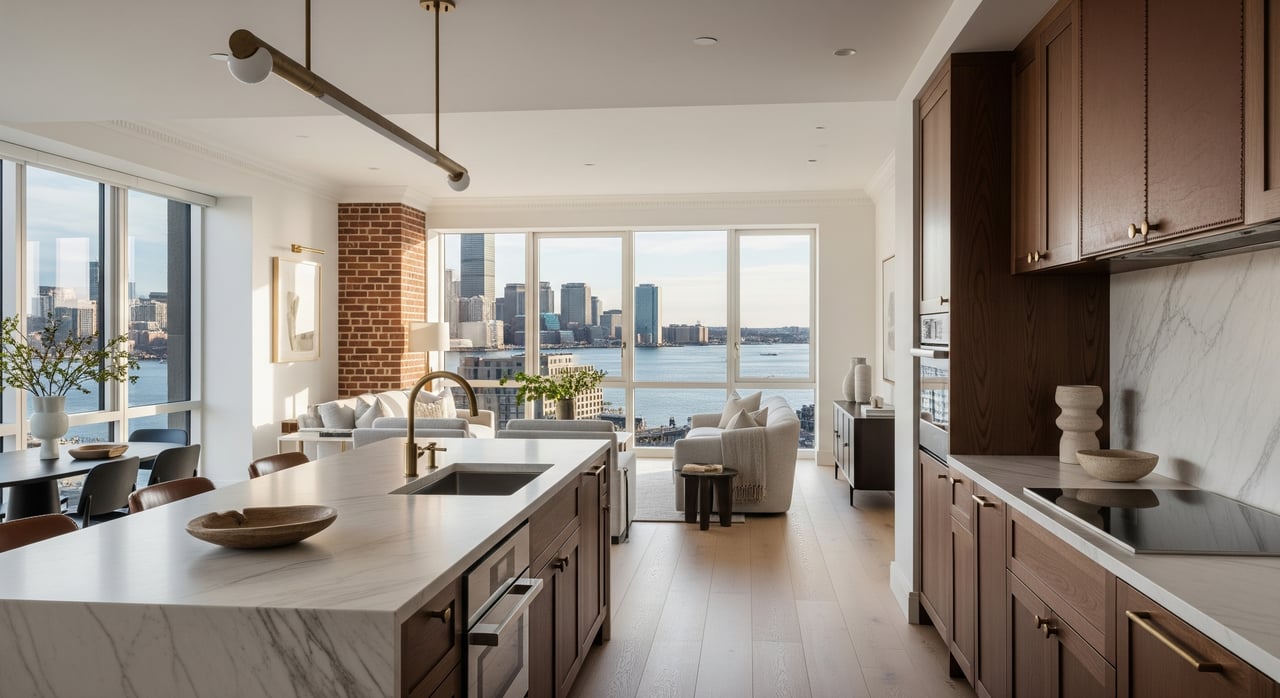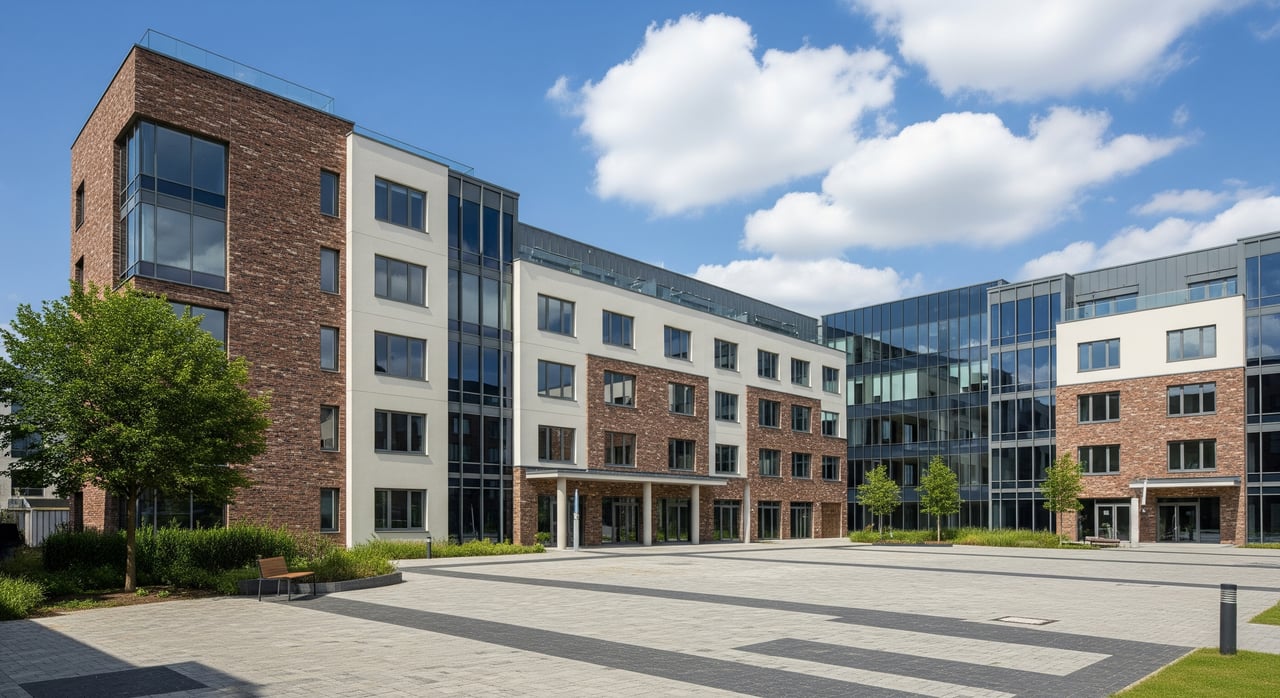
Thinking about buying a new-construction condo in South Boston but not sure when to jump in? You are not alone. Release cycles can feel opaque, and timing has a real impact on your price, selection, and incentives. This guide breaks down how releases work in Southie, what to expect at each stage, and how to use the cycle to your advantage. Let’s dive in.
South Boston release basics
New-build condo sales follow a predictable rhythm. Projects move from approvals to pre-sales, then through public releases in phases, and finally to closeout. Each step serves a purpose for pricing, selection, and incentives.
Approvals and timing
Before marketing gets serious, developers need City approvals. You can track project status on the Boston Planning & Development Agency’s development pages for up-to-date pipeline details and timelines. See the BPDA’s development projects to verify approvals and expected milestones. Explore BPDA development projects.
Pre-sales and VIP access
Many projects start with a quiet pre-sale period. Early access often goes to VIP lists, participating brokers, and investors. Pricing in this window is usually set lower than the first public release to demonstrate demand and support construction financing.
Phased public releases
Large buildings roll out inventory in phases. You may see floors or building sections released in tranches to manage absorption and price discipline. Premium layouts can be held back for later phases, and pricing typically climbs as demand is proven.
Contracts, deposits, and condo formation
You reserve early with a deposit, then sign a purchase and sale agreement with a deposit schedule set by the developer. The legal framework for forming the condominium and governing documents is set by the Massachusetts Condominium Act. Review this with your attorney before you commit. Read the Massachusetts Condominium Act.
Construction milestones and closing
Release timing often follows construction milestones like foundation, topping out, and certificate of occupancy. Lenders and insurers also use milestones to unlock financing and influence rate incentives. Closings usually occur once the building receives its occupancy approvals and condo formation is complete.
Selection windows and buyer access
If you value choice, earlier action matters. Early buyers get better access to layouts, finish packages, and parking options.
VIP preview vs. public release
VIP previews offer first look at desirable homes, including corner units and best views. By the time of the public launch, prices may step up or credits may be smaller. If a unit is critical to your plan, you want to be on the early list.
Inventory allocation rules
Developers sometimes hold back premium homes for later phases or for in-house marketing inventory. Broker relationships can influence access. Buyer representation can help you understand allocation and timing so you are not surprised by what is available.
How selection windows work
You will typically follow a simple flow: release, reservation, contract, then selection appointments. Deadlines are strict. If you miss a selection window, you may receive default finishes or lose upgrade options. Ask for a calendar of selection events at contract and get everything in writing.
Reservation and deposits
A reservation deposit is used to hold a specific home while you finalize terms. At contract, deposits usually increase on a set schedule. Confirm what is refundable, what is not, and the exact timing of each payment, since practices vary by developer.
Re-release and shelf inventory
Unsold homes from earlier phases may be re-released at updated prices or with fresh incentives. In slower periods, some inventory can shift to rental or be offered as investor blocks. You can benefit from these moments, but choice is often narrower.
Pricing and incentives
Pricing moves with the cycle. Early buyers often see better value, while later buyers get more certainty.
Early-buyer pricing
Early pricing helps developers prove demand and meet lender targets. You may see lower base prices, price locks, or larger upgrade allowances during pre-sales. These incentives reward early commitment before the building is complete.
Price escalation among phases
As phases sell, list prices often rise to reflect demand and cost changes. Sometimes unsold homes receive market adjustments between releases. If you are tracking a specific plan line, ask about planned price steps so you can avoid a surprise.
Common incentives and timing
- Upgrade allowances or design credits often arrive at contract or selection appointments.
- Closing cost contributions are usually applied at closing and may be limited by lender rules.
- Mortgage rate buydowns are sometimes offered as lender credits or developer contributions and are finalized near loan origination. For lending context and product trends, review resources from the Mortgage Bankers Association. Visit the Mortgage Bankers Association.
- HOA fee subsidies show up during slower absorption but are less common.
Investor and owner-occupant terms
Some projects use different deposit requirements or set rental and occupancy rules in the condo documents. Always confirm rental policy and any owner-occupancy requirements before you rely on projected rents.
South Boston market factors
Local forces shape how releases unfold in Southie and along the waterfront.
Demand drivers
Proximity to downtown and Seaport, transit access, and a strong professional job base support steady demand. Limited developable land also helps maintain pricing power over time.
Pipeline and absorption
Multiple buildings can deliver at once, which can slow absorption and open up incentive windows. You can track current and upcoming inventory through the BPDA’s project pages. Check BPDA project status and pipeline.
Data to monitor
MLS data and local market reports offer insight into days on market, price trends, and under-contract activity. The Warren Group publishes Massachusetts transaction and median price reporting that helps you understand broader trends in Suffolk County. See The Warren Group’s market reports.
Resilience, insurance, and underwriting
In waterfront areas, resilience planning and flood risk can affect insurance costs and loan underwriting. Review resilience guidance from Climate Ready Boston and check FEMA flood maps for site-specific risk. Explore Climate Ready Boston. Check FEMA flood maps.
Buyer strategy and timing
You should match your approach to your priorities. If selection and early pricing matter most, target pre-sales or first public release. If certainty is key, shop later phases or near-complete inventory.
A simple game plan
- Get on the VIP list early and ask for the release calendar.
- Verify approvals and construction milestones through the BPDA and the sales team.
- Decide your must-haves: floor, exposure, parking, outdoor space.
- Clarify deposit schedule and refund terms before you reserve.
- Lock your selection appointments and confirm upgrade deadlines.
- Ask for all incentives and expiration dates in writing.
- Coordinate financing early, including any rate buydown options with the preferred lender.
Due diligence checklist
- Developer background: track record, delivery timelines, litigation history.
- Condo documents: rental rules, parking, fee structure, reserves, and assessment policies under the Massachusetts Condominium Act. Review the Massachusetts Condominium Act.
- Approvals and permits: confirm status and key milestones with BPDA and City of Boston resources. View City of Boston permits and zoning.
- Incentive details: credits, deadlines, and whether incentives survive assignment.
- Risk review: selection deadlines, change-order policies, and remedies for delay.
Your next steps
If Southie is on your shortlist, start tracking projects before they go public. Early preparation lets you jump on first-release pricing or, if you prefer certainty, target later phases with all the data you need. When you are ready, connect with a local advisor who understands developer timelines, allocation rules, and lender incentives.
For one-on-one guidance and access to upcoming South Boston launches, reach out to John Dolan. Schedule a consultation or get your instant home valuation.
FAQs
How do South Boston condo releases typically unfold?
- Most projects move from approvals to pre-sales, then phase-by-phase public releases tied to construction milestones, and finally to closeout.
What is the benefit of buying during pre-sales in South Boston?
- You can access better selection and early-buyer pricing or credits, but you accept more construction and timing risk compared to later phases.
How strict are finish selection deadlines in new builds?
- Deadlines are usually firm; missing them can trigger default finishes or lost upgrade options, so get timelines and choices in writing at contract.
When do developers offer the best incentives?
- Incentives often peak at pre-sales and early public releases, or during periods when multiple buildings deliver and absorption slows.
What legal documents govern a new condo purchase in Massachusetts?
- The condominium’s governing documents and processes are set under the Massachusetts Condominium Act, which you should review with your attorney. Learn about Chapter 183A.
How can I check the status of a South Boston project?
- Use the BPDA development project pages for approvals and pipeline updates, and confirm milestones with the project sales team. Browse BPDA projects.